Media School Bayern: The Brewer of Future Media Producers
Culture & Music . Media & Journalism . Politics & Society . Science, Health & Environment . Student Life
Media School Bayern is an institution that operates as an essential part of the Bavarian media landscape. The students of this institution are trained in technical and important intellectual practices in the media industry. However, unlike other educational institutions, Media School Bayern is a part of a greater multimedia corporation umbrella which includes radio stations, tv channels, social media pages and much more. The content produced goes towards the running of two stations, M94.5 and Max Neo (M94.5 is in Munich and Max Neo is in Nuremberg). All content for these stations is created by the students at Media School Bayern with the guidance, support and mentorship from industry professionals and state of the art technology. This is why the institution is recognised as such a vital part of the media landscape in Munich, as it operates as an internship experience, balancing work and education with a heavy practical focus. This introduces students to the discipline and work rate required to work in the competitive, well regarded media landscape in Munich. It teaches them to work towards finished projects that make it into the airwaves, onto social media and into the media world. The fact that the students’ output and work is broadcasted on air and online allows them to experience the feelings of accomplishment, importance and the ‘completion’ euphoria experienced in the media world. This builds a confidence and comfortability difficult to achieve from merely studying media and communications.
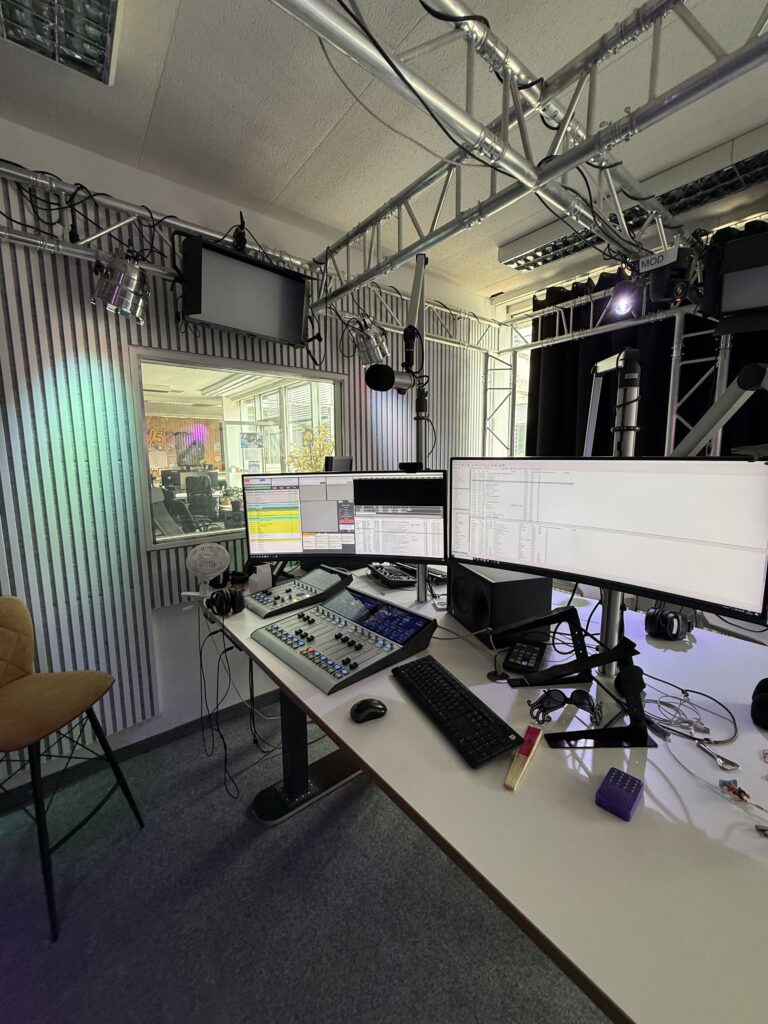
Junior Creative Producer, Julius, was kind enough to provide us with a talk and tour of M94.5 in Munich. He spoke very highly of the work of the institution and not only spoke about the technical brilliance of their students but also highlighted the importance of journalistic standards and educating their students on the legal and moral aspect of working in media. He spoke about the importance of “impartially” in the media and specifically in the work that they do. He emphasised the importance of giving both sides of an argument a voice when conducting journalistic research and producing content. This led Julius to speak about teaching his students to always “use multiple sources” and to never settle on information unless it is known to be true. These are all qualities associated with operating a professional and reputable media institution and are most certainly important skills for the students to learn. The students’ first-hand experience and development of these journalistic qualities provide them with an edge over competition when seeking employment in the bigger media institutions in Munich. It is clear why Media School Bayern students have such a high success rate in employment in bigger companies such as ZDF, Sky Deutschland, Bayerische Rundfunk etc.
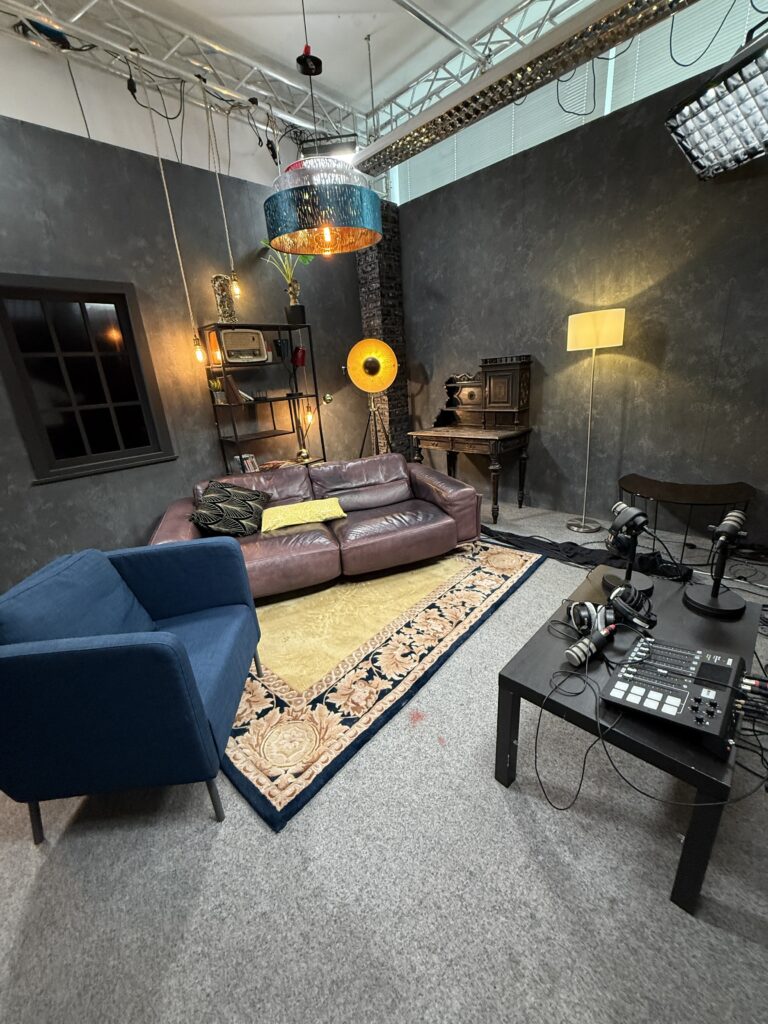
Without a doubt the institution serves a purpose in media landscape in Munich. The students clearly receive proper training and are closely linked with other media institutions which gives them a clear path and vision for their career. However, it is these advantages that sometimes cultivate a bigger problem with such practical heavy institutions in the media. The tunnel vision and direct training of media practice may encourage students to accept existing professional norms in the industry rather than encourage them to critically challenge them. This is where a more direct approach to media education through university programmes may shine brighter. A greater emphasis on the theories of information and culture in the media world tends to create more independent thinkers and in turn cultivate a generation of future minded and progressive, development focused workers. However, I do believe that the course and education possible through study at Media School Bayern would result in more successful job positions due to the hands-on experience and nature of the programme. My evaluation points towards a more theoretical, sociological outlook on the media industry. The question being: What does the media industry need? Do we need more employees that are excellent at doing their job in the current media space or do we need more pioneers that are ready to challenge and evolve with this ever-changing technological age we are experiencing?
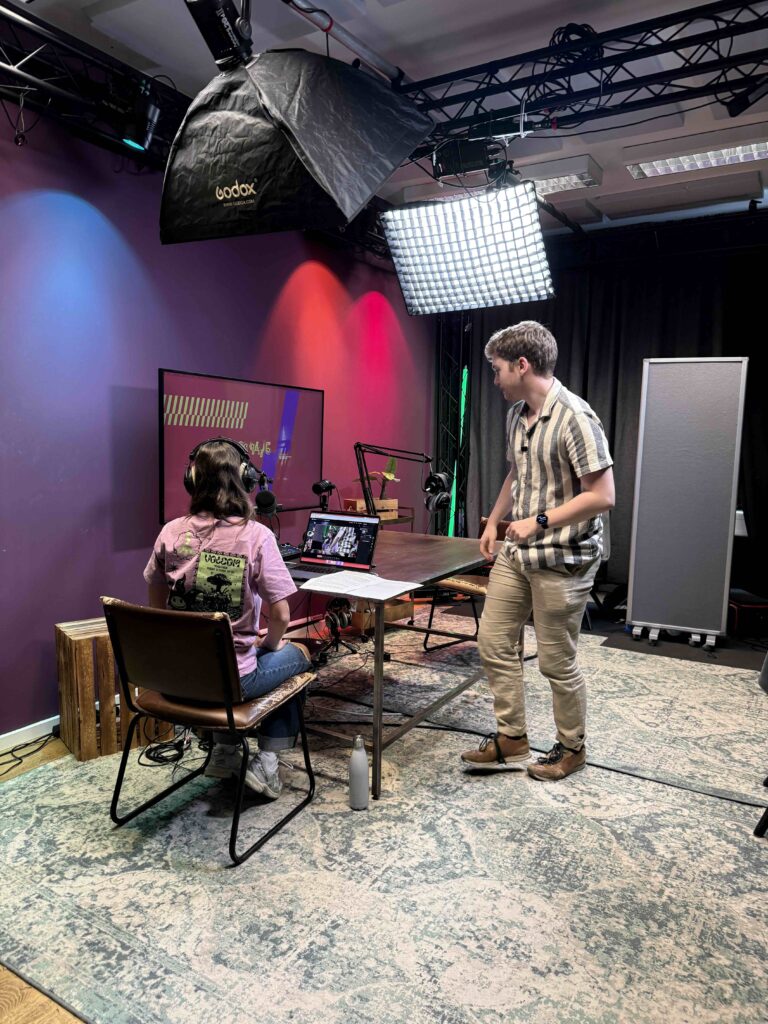
I believe both a balance of diligent workers and pioneers are needed to push forward the development of this industry. It is from this excellent show of technical focus that we see the importance of creative ideation, storytelling and the philosophical focus of what a media professional should produce and why. In critically analysing the institution, the only fault that appears stems from its biggest strength. The close relationship with major broadcasters provides students with valuable experience and increases employability but at the same time these partnerships may encourage students to internalise established industry practices rather than question them. Nevertheless, it is without a doubt the accessibility, experience and technical aspects of Media School Bayern serves a great purpose and vital role to the industry.
References
Media School Bayern. (2026). BLM Website. https://www.blm.de/de/wir-foerdern/aus-und-fortbildung/mediaschool-bayern.cfm
MEDIASCHOOL BAYERN. (2026). Mediaschool.bayern. https://www.mediaschool.bayern/map#m=4/-253.84368/-360.35144
Leave a Reply