Lucas Signes on Film, Identity and Global Inspiration
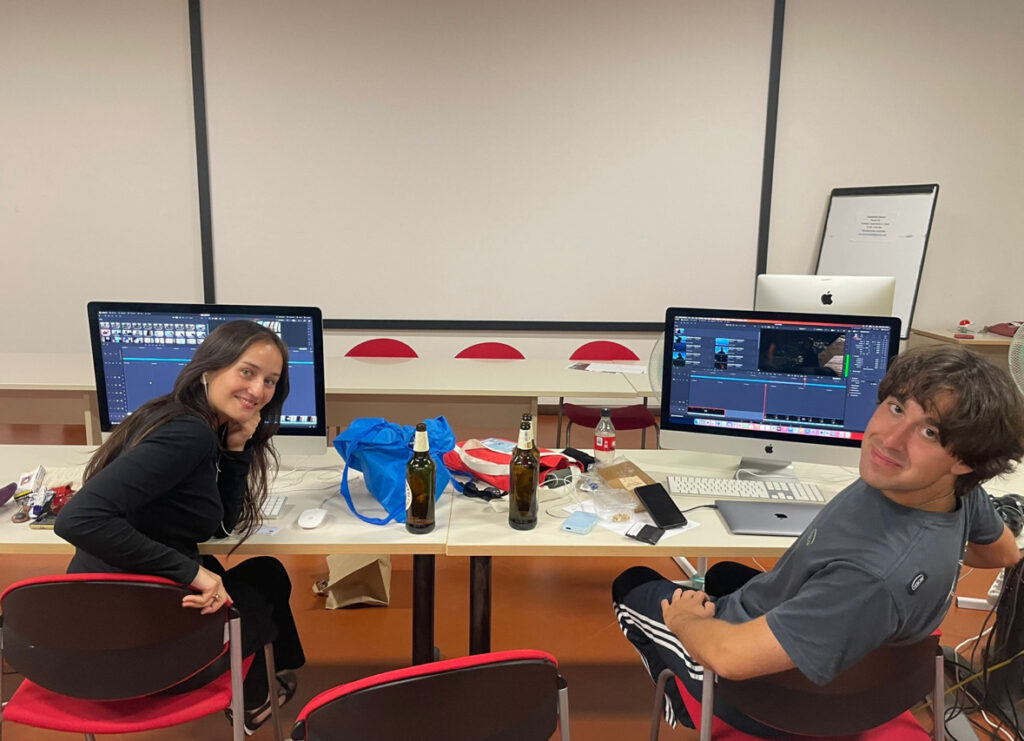
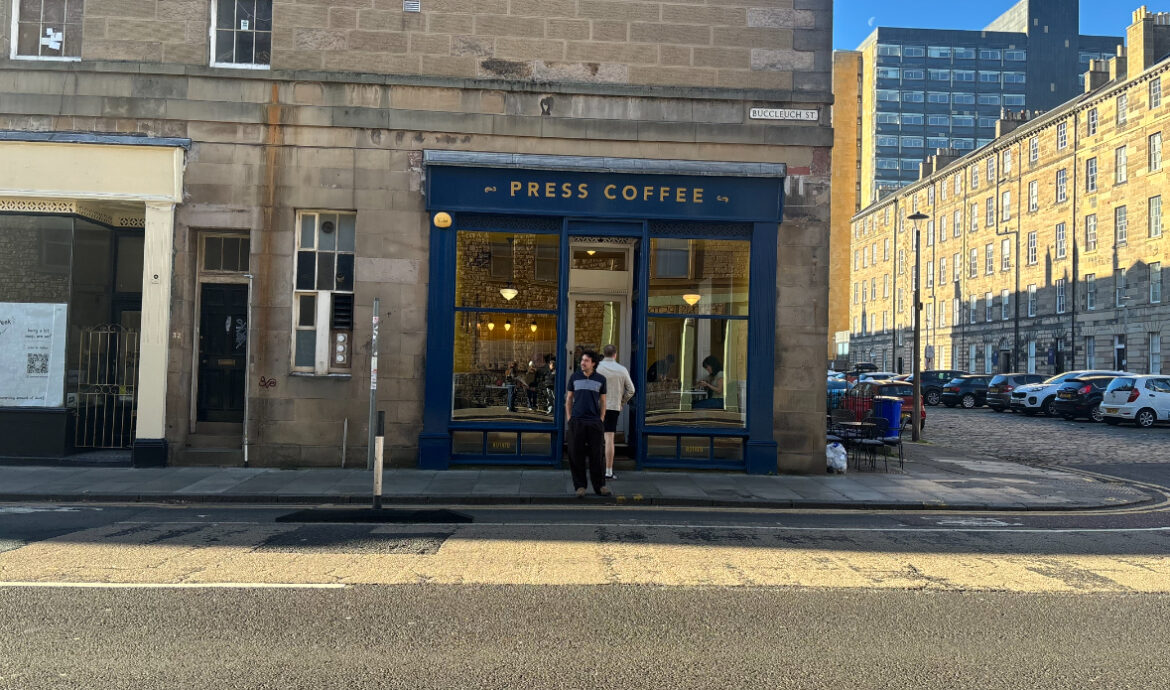
Interview . UncategorizedI first met Lucas during a filmmaking program at Venice International University in Italy, where his creative instincts and commitment to storytelling were clear from the very start. Now studying in Edinburgh, he reflects on a journey that began in Paris at age 13, where weekly cinema trips and early experiments with video editing sparked a lifelong passion. A defining early influence came at the age of 12, when he first watched Blade Runner 2049 with his father. His work has since then evolved around a belief in shared human experiences, artistic independence, and creative freedom. During our conversation, he shared insights on education, cultural perspective, and his ambition to create films and stories that connect with audiences across generations.
Q: When did you first realize you wanted to make films?
A: It started when I moved to Paris at 13. I began going to the movies two or three times a week, just absorbing everything. At the same time, I was shooting videos with my dad’s camera and editing them on a cracked version of Premiere Pro. But the real turning point came at 16, when I wrote a script about a therapy session that turns into something much darker, the interviewer becomes the interviewee. When I finished and released it, I fell in love with the process. I kept making films after that, never really calling myself a filmmaker, but the addiction was there.
Q: Was there a particular film or director who inspired you?
A: Denis Villeneuve, without a doubt. Watching Blade Runner 2049 with my dad at 12 was surreal. I remember where we parked, what time it was, even the popcorn. The way he tells his stories through mood and silence, not exposition, changed how I see cinema. He drops in objects like a gun or a key without explaining them, and the world feels more real because of it. The first 50 minutes of Dune Part Two have barely any dialogue, yet so much happens. That’s the kind of storytelling I aspire to.
Q: What excites you most about directing?
A: The mental state it unlocks. I joke that I love telling people to shut up, but seriously, when I direct, my brain fires on all pistons. I’m thinking about color, sound, lighting, camera movement, and organization, all at once. It’s not about control. It’s about synthesis. I already see the final product, and I’m guiding five different teams toward one vision. That’s when the whole becomes greater than the sum of its parts. It’s a mode I don’t get from anything else.
Q: What was your experience like at the Summer School in Venice, and how has it shaped your process as a film director?
A: I was drawn to it because I could learn from professors from top universities and experience a major film festival. The program was only ten days, but it was intense. The real challenge? Merging pre-production and production. Normally, you plan everything before shooting. Here, we had to develop the story, schedule shoots, and fill gaps all at once. It was chaotic, but it forced a kind of creative adaptability that suited the environment perfectly.Q: Why did you choose to study film in the UK instead of France?
A: French film education is technically rigorous but artistically rigid. Large cohorts, long hours, very little room for individuality. There’s only one elite school accepting four students. I wasn’t selected. The UK offers a liberal arts approach, small cohorts, mentorship, and freedom to explore your voice. In my program, there are about 30 students. That means access to professors, deeper feedback, and space to grow as an artist, not just a technician.
Q: How has living abroad influenced your storytelling and creativity?
A: It’s expanded my perspective. Working with people from China, India, Uganda, Colombia, they bring practices and insights I’d never consider. On set, someone might say. “This is how we do it in Colombia,” and suddenly, I see a new possibility. For themes like family struggles or domestic abuse, I realize there are a thousand ways it can be portrayed, not just a hundred, that depth is invaluable.
Q: What are your ambitions after your bachelor’s degree?
A: Ideally, a masters in directing at UCLA or NFTS. If not, I’ll aim for a solid placement at a major production company in New York or LA. The industry is more open to funding original ideas. In France, many big films are made by children of famous directors. I want to be financially sustainable so I can reinvest every cent into making more films.
Q: What kind of director do you want to become?
A: One whose films move both children and adults. I want people to be excited to go to the theater, buy popcorn, and have a layered experience. Kids should laugh, cry, and feel frustrated. Adults should find philosophical depth. I want to create work that touches people universally, emotionally powerful, culturally aware, and deeply human.