Breaking the Silence of the Pressroom: Inside Süddeutsche Zeitung’s High-Tech Printing Future
Germany . MediaIn an era dominated by digital news, the Süddeutsche Zeitung (SZ) printing house stands as a compelling reminder that traditional journalism is far from obsolete—only transformed. During a recent visit, I witnessed how one of Germany’s leading newspapers is redefining print production through automation, innovation, and a renewed commitment to editorial quality.
Walking into the vast press hall, the first surprise was that I saw very few of people. The facility produces roughly 450,000 copies a day, yet the process is almost entirely automated, relying on high-precision machines rather than large teams of operators. This efficiency contrasts sharply with the steady annual decline of print circulation—around 7–8%—but the company’s strategy is clear: if print is to survive, it must be fast, accurate, and technologically advanced.
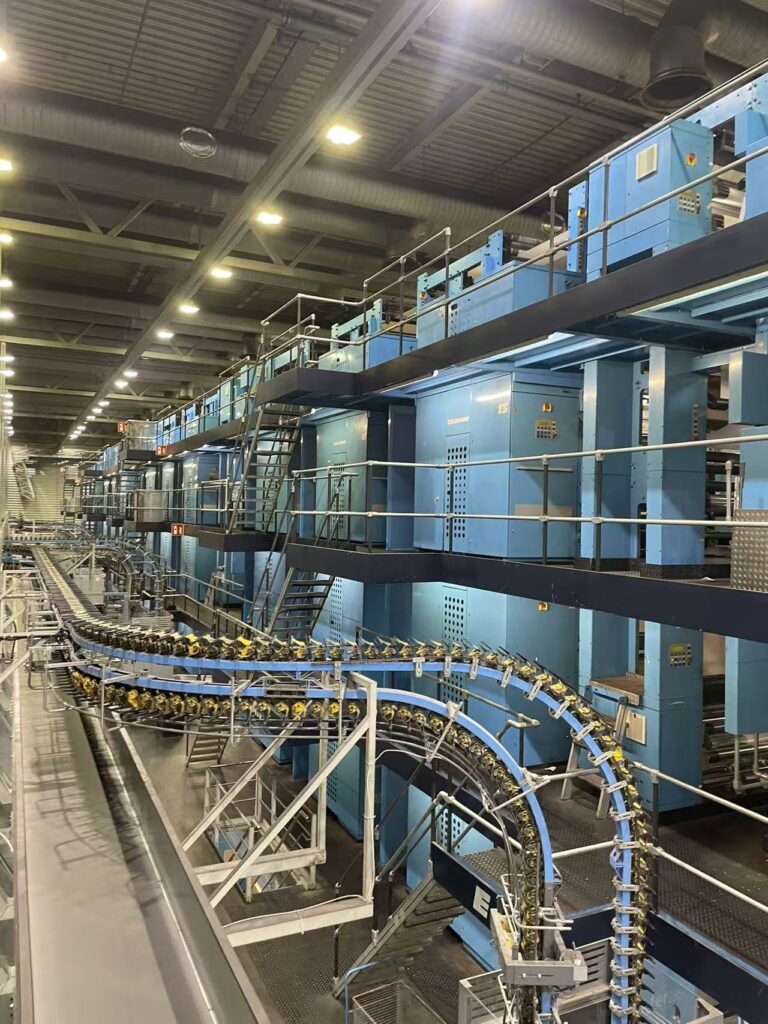
SZ’s evolution goes far beyond the pressroom. The newsroom’s digital expansion—ranging from the Digital Paper app to homepage services and audio news—reflects a broader shift toward accessible, multi-platform journalism. Amid concerns about misinformation and the reality that teenagers now spend 7–13 hours online daily, SZ emphasizes a core principle: quality content is the foundation of a healthy democracy. Its editorial stance is deliberately non-partisan, offering diverse perspectives rather than a fixed political line.

The visit also offered a vivid look at the craft behind each issue: from the shift to color printing in the 1990s to the sophisticated layers of steel plates and rubber blankets that transfer ink to paper. Even the tactile elements—page size, paper texture, the distinctive “newspaper smell”—contribute to the reader’s experience, reminding us that print holds emotional value that digital formats cannot fully replicate.

Ultimately, the SZ printing house reveals a broader truth about modern journalism: the future is neither purely digital nor purely traditional. It lies in the intersection—where technology enhances, rather than replaces, the mission of trustworthy reporting.
Leave a Reply