Inside the Media School of Bavaria: A Hands-On Path into Journalism
ExcursionsOur visit to the Media School of Bavaria offered an insightful look into a unique and practical approach to journalism education. Unlike traditional universities or colleges, the Media School of Bavaria operates as a non-profit organisation with a clear mission: to invest in young people and prepare them for real careers in media. What makes this model particularly interesting is its strong connection to the industry and media companies actively invest in the school, and many students go on to work with these partner organisations.
One of the most distinctive features of the Media School of Bavaria is its flexibility. There are no fixed intake dates, allowing students to begin their learning when it best suits their personal schedules and commitments. Attendance is also highly adaptable, giving students the freedom to decide how often and when they want to be on site. This structure makes the school especially accessible for those balancing work, study, or other responsibilities alongside their journalism training.
The school operates on two interconnected sides—one focused on educating students, and the other on producing real media content, including films. This dual structure allows students to learn journalism while actively contributing to professional-level productions.
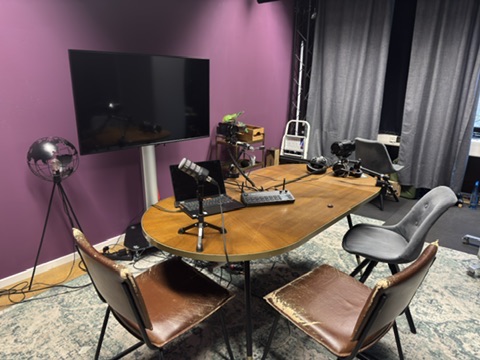
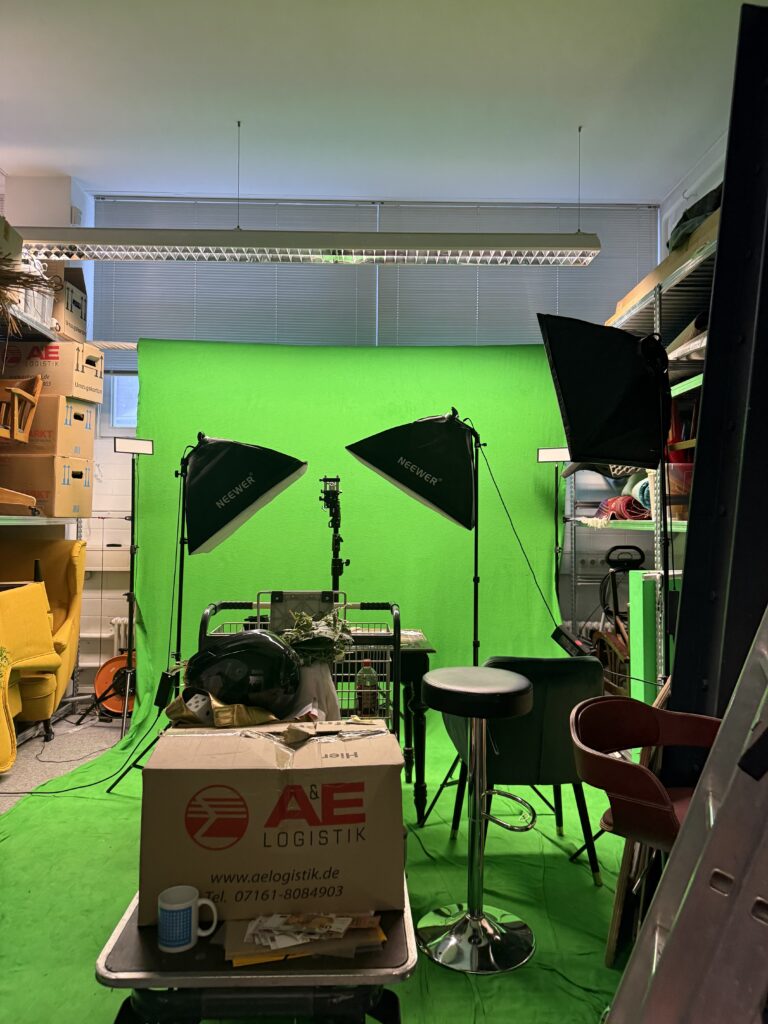
The Media School of Bavaria is supported at the state level, with involvement across the Bundesländer, highlighting its importance within Germany’s broader media and education landscape. Students also have access to professional equipment, which they can borrow for their projects. Interestingly, mobile journalism is strongly encouraged, with tools such as iPhones and gimbals often preferred over traditional cameras like Sony models. This reflects current industry trends, where speed, accessibility, and adaptability are increasingly valued.
Radio plays a central role at the school, particularly through its music station, M94/5. Students are involved in planning music programs and understanding how radio content is curated and produced. In addition, the school features newsroom-style environments where students are assigned specific roles, such as social media editor, audio producer, writer, or even editor-in-chief. I found this structure especially valuable, as it allows students to rotate through different positions and gain firsthand experience across multiple areas of journalism.
While radio remains the school’s main focus, there is a clear effort to balance audio and visual storytelling. The goal is to move towards a 50–50 split between radio and film, with content distributed on platforms such as YouTube and Munich TV. This reflects the evolving nature of journalism and the need for multimedia skills in today’s media landscape.
Overall, I found the Media School of Bavaria to be an excellent opportunity for aspiring journalists and it was one of my favourite field trips. It offers students the chance to practise real journalism in a supportive yet professional environment, helping them understand what working in the industry is truly like. Most importantly, it allows students to explore whether journalism is a career they genuinely enjoy before fully committing to it 🙂
Leave a Reply