My Personal Reflection and Takeaways
UncategorizedAs a journalism and communication student, I have always been interested in how media organizations operate behind the scenes. However, before taking this course, most of my understanding came from textbooks, lectures, and my own experience consuming media. Through the excursions to LORA München, Media Lab Bayern, and Süddeutsche Zeitung, I was able to see the German media industry from different perspectives and gain a deeper understanding of how media organizations function in practice.
What I found most interesting was that each organization represented a completely different side of the media landscape. Before the excursions, I tended to think of media as a single industry with similar goals and working methods. However, these visits showed me that media organizations can have very different purposes, structures, and values.
At LORA München, I learned about community media and the importance of giving a voice to local communities and underrepresented groups. Unlike commercial media outlets that often focus on ratings and profitability, LORA prioritizes participation and diversity. The station’s volunteer-driven model demonstrated that media can also be built around social values and community engagement. This visit challenged my assumption that successful media organizations must always be large, professionalized, and commercially driven.
Media Lab Bayern offered a completely different perspective. Rather than producing media content directly, the organization focuses on supporting innovation in journalism and media. One of the most memorable experiences was participating in a design thinking workshop, where we worked in teams to develop a podcast concept within a very limited timeframe. At first, I found the strict time limits stressful, but the exercise taught me the importance of creativity, collaboration, and rapid idea generation. It also showed me how innovation is becoming an essential part of modern journalism. In today’s rapidly changing digital environment, media professionals must not only create content but also continuously adapt to new technologies, platforms, and audience needs.
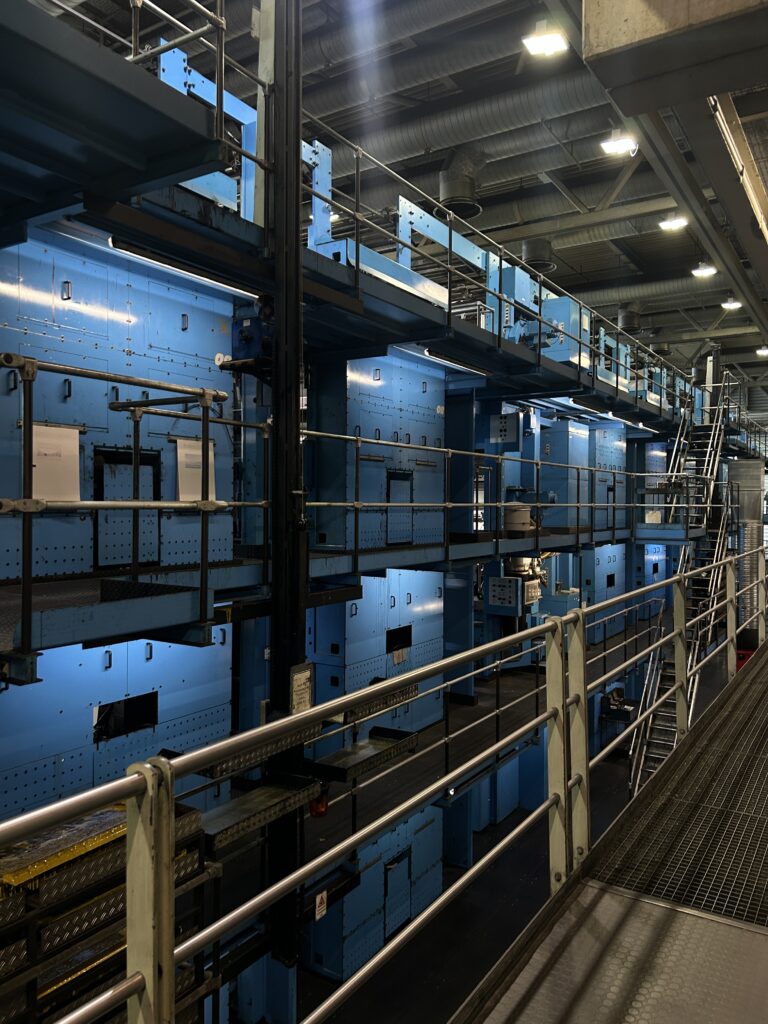
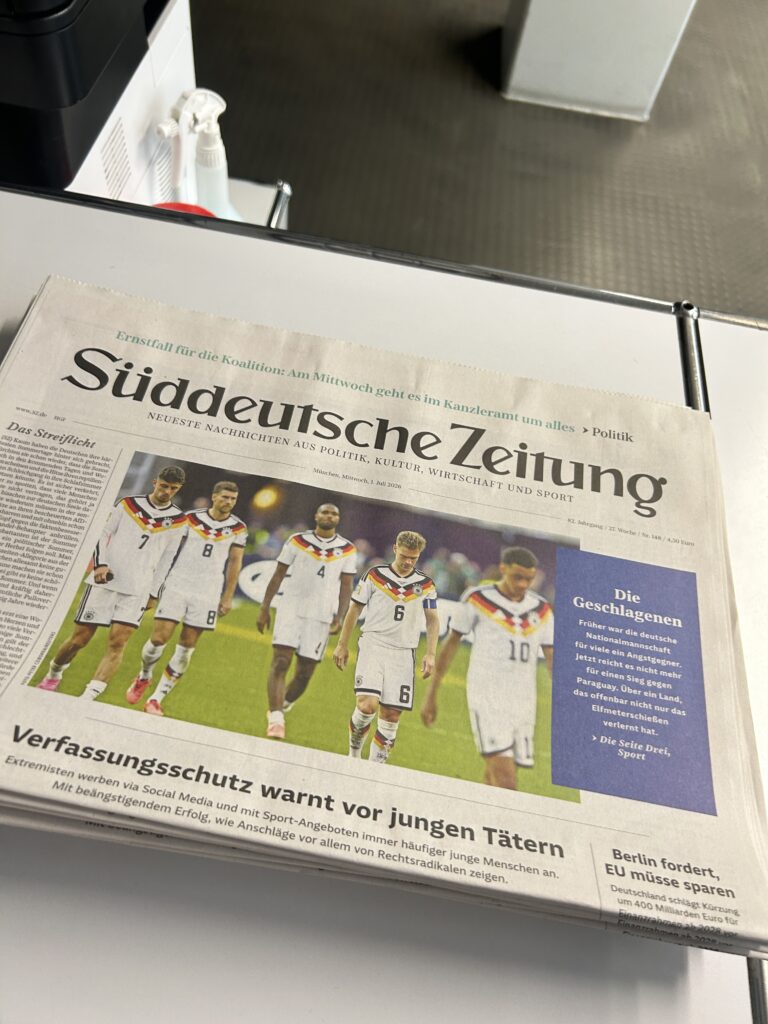
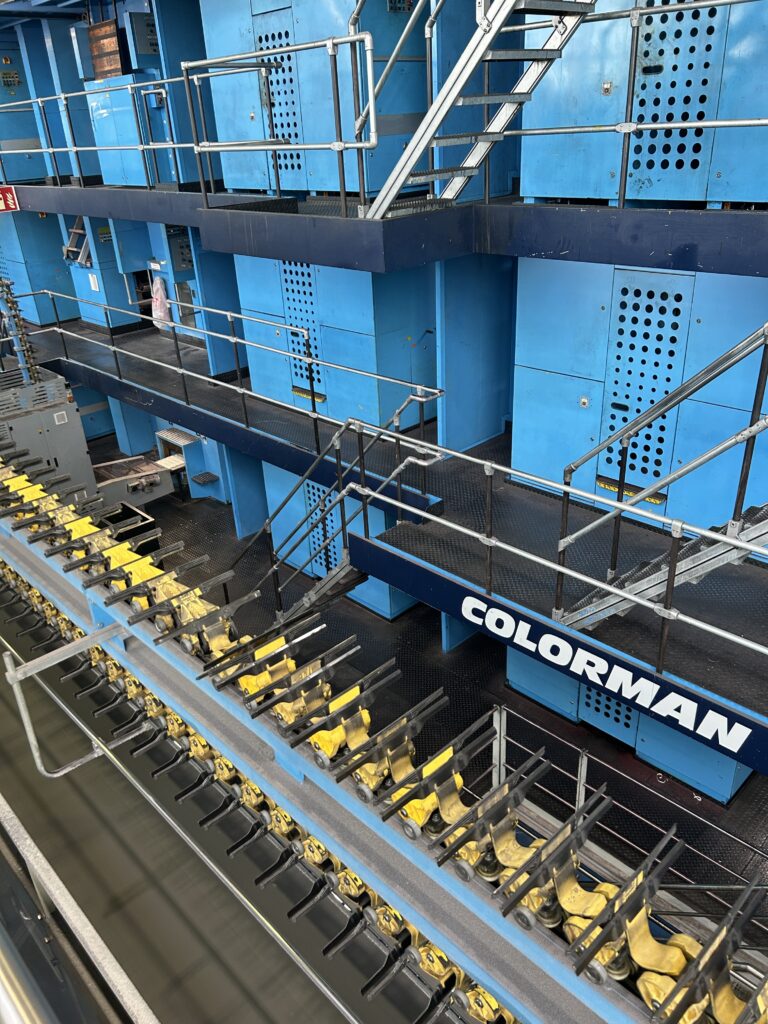
The visit to Süddeutsche Zeitung provided yet another perspective. Seeing how one of Germany’s leading newspapers produces and distributes its content helped me better understand the scale and complexity of professional journalism. While many people today consume news digitally, the tour reminded me of the extensive processes involved in producing a newspaper, from editorial work to printing and distribution. It reinforced the importance of accuracy, organization, and teamwork in maintaining high journalistic standards.
Looking back, one of the most valuable lessons from this course is that there is no single way to “do media.” Community radio, media innovation hubs, and national newspapers all contribute to society in different ways. Some focus on participation and representation, others on innovation and experimentation, while others provide large-scale professional journalism. Together, they create a diverse media ecosystem that serves different audiences and needs.
As an exchange student in Germany, these excursions also allowed me to compare the German media system with what I have experienced in Thailand. I noticed a strong emphasis on public service, media diversity, and civic participation. This gave me a broader understanding of how media can support democratic societies and why different types of media organizations are necessary.
Overall, this course has expanded my perspective on the media industry and helped me connect classroom theories with real-world practice. More importantly, it reminded me that media is not only about producing content. It is also about serving communities, encouraging innovation, and creating spaces for public discussion. As a future media professional, these experiences have given me valuable insights into the many different paths that journalism and communication can take
Leave a Reply