Rethinking Media Education: A Critical Look at MediaSchool Bayern
UncategorizedBy Minjing Zhou
Introduction to MediaSchool Bayern
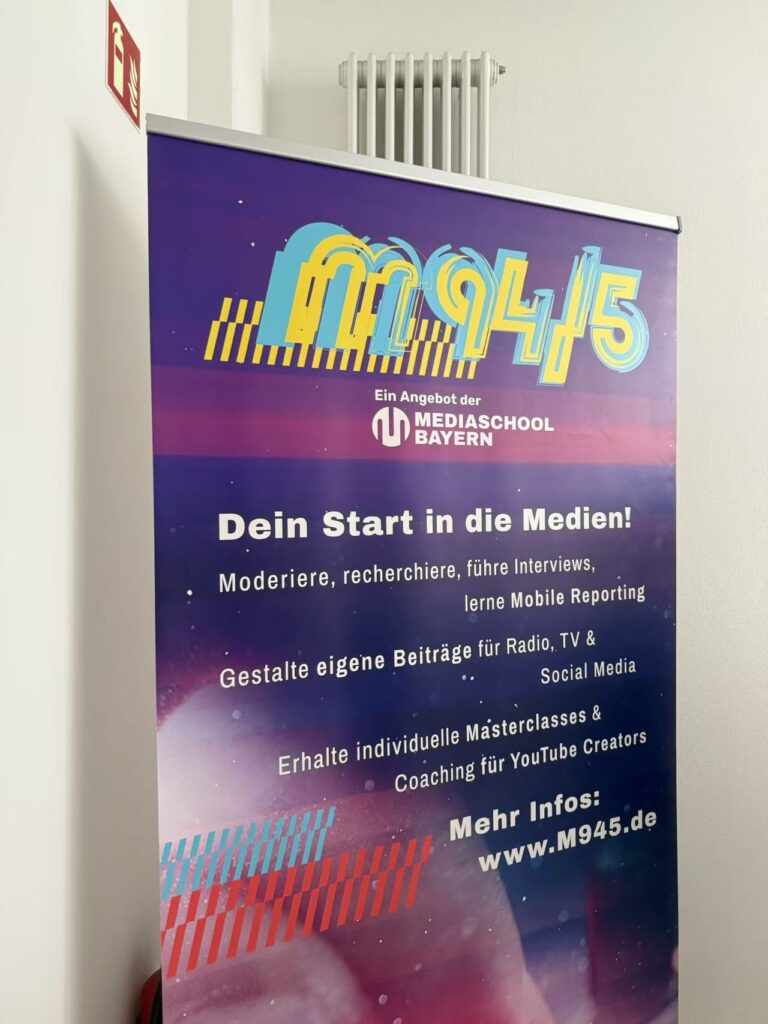
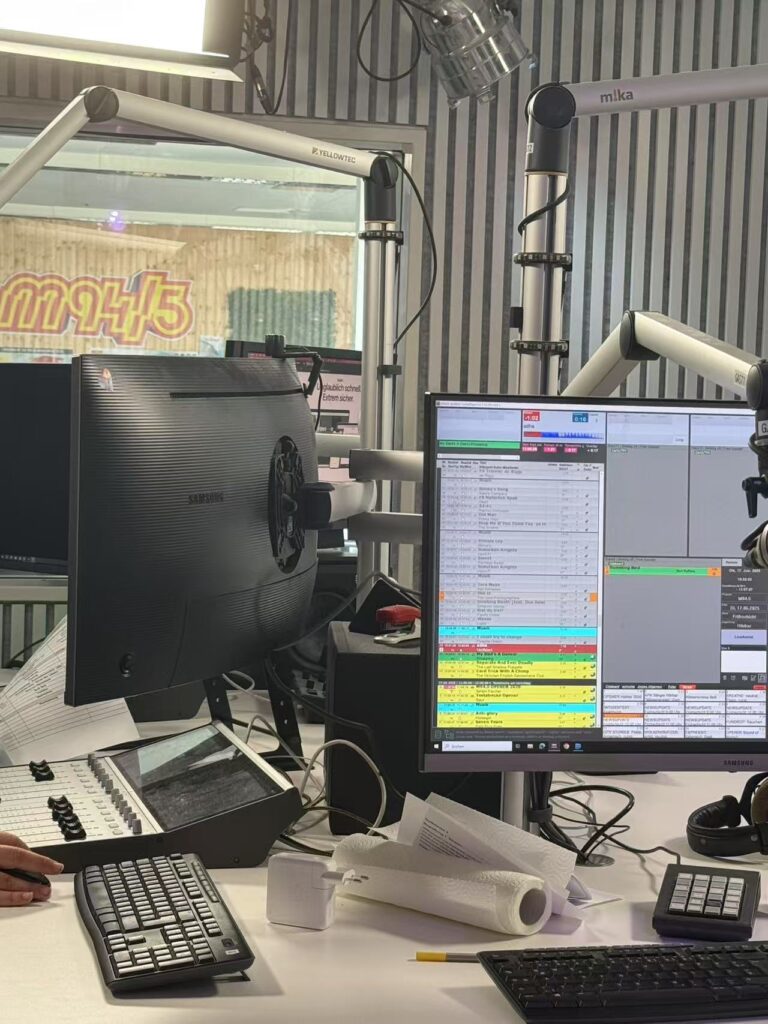
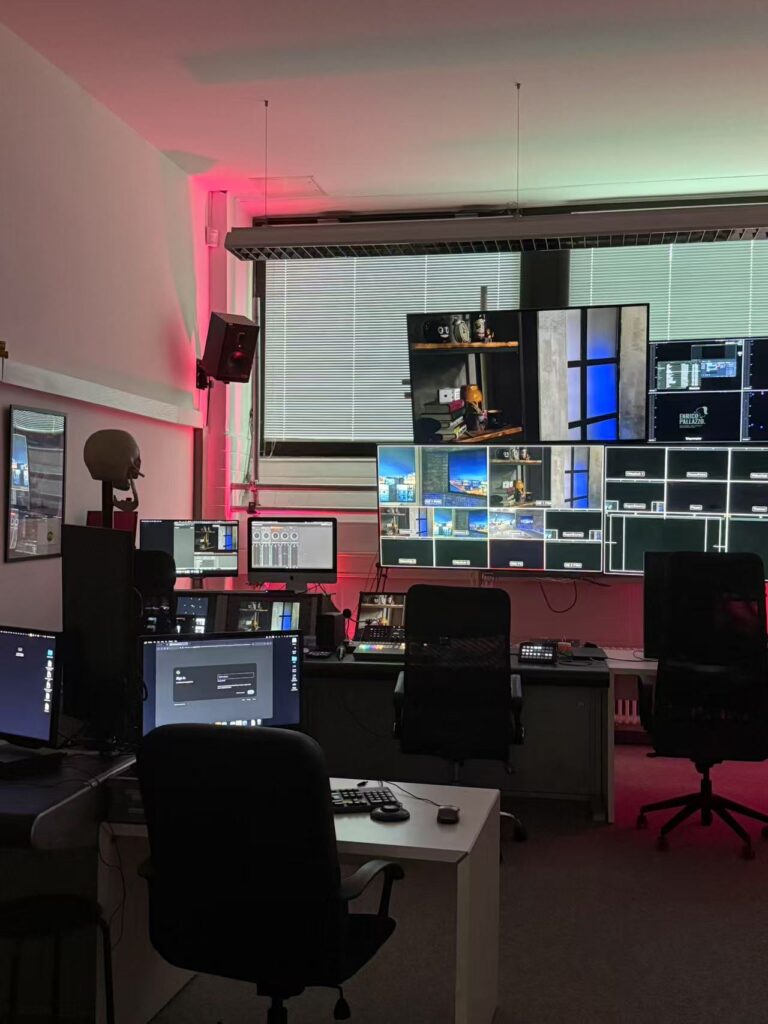
MediaSchool Bayern, established in 1995 by the Bavarian Regulatory Authority for New Media (BLM), is a nonprofit media training institution that emphasizes hands-on skills over traditional journalistic training. The organization focuses on multimedia production—particularly in audio, video, and digital formats—rather than the conventional teaching of reporting, writing, or editorial analysis. Through two primary platforms, M94.5 in Munich and max neo in Nuremberg, MediaSchool offers young people the opportunity to work in real-life broadcasting environments under the supervision of media professionals. Students are involved in the full production process, including hosting, editing, technical operations, and live broadcasting.
Position in the German Media Landscape
MediaSchool Bayern plays a significant role in Germany’s media training landscape, having prepared over 5,000 young individuals for careers in the broadcasting and media industries. It offers free, practical training and operates as a feeder for the professional sector. In addition to vocational education, it promotes media literacy through initiatives such as the annual “Schülermedientage” (Student Media Days), engaging over 22,500 students across Bavaria. These events encourage critical thinking about misinformation, the influence of algorithms, and freedom of the press. In 2024, the school joined the “Sustainability Pact for Media Germany,” incorporating topics like news diversity and AI transparency into its curriculum to foster democratic awareness and ethical responsibility.
Funding Model and Sustainability
As a nonprofit, MediaSchool Bayern’s operations are sustained through a diversified funding structure. BLM holds a majority stake (over 60%) and provides core financial support, derived from state budget allocations and broadcasting fees. Additional funding comes from roughly 25 public and private media partners—including Bayerischer Rundfunk, RTL, Sky Deutschland, and Discovery—through membership contributions and project-based sponsorships. The school also secures external funding from state and EU educational programs, and it generates minor revenue through collaborative workshops and media-related events. This multifaceted model ensures both financial sustainability and free access for students, reflecting a shared public-private commitment to cultivating media talent.
Critical Reflections
MediaSchool Bayern deserves praise for its emphasis on applied skills and industry-oriented training. In an evolving media landscape that demands hybrid capabilities, it fills a vital gap left by traditional academic programs. Its flexible, tuition-free model lowers entry barriers for aspiring media professionals and encourages self-directed learning.
However, the program still shows limitations. Its content and instruction are predominantly in German, which restricts accessibility for international students and reduces its global reach. Furthermore, while its focus on production is valuable, the absence of training in journalistic fundamentals—such as investigative methods, fact-checking, and ethical reporting—may limit students’ adaptability in more traditional news environments. As the school continues to evolve, expanding linguistic accessibility and integrating more editorial competencies could enhance both its inclusivity and its educational scope.
Leave a Reply