Two Fieldtrips: From Broadcasting📢 to Planetary Health🌍!
Germany . Media . SocietyWhen I missed our first fieldtrip, I felt truly guilty — not only because I stayed behind, but also because I missed what seemed like a window into German media history. Luckily, my classmates kindly shared their notes, and I learned from their vivid stories about Bayerischer Rundfunk (BR) — a public broadcaster built in 1929, reconstructed after WWII, and reborn as a symbol of free media in 1949. What fascinated me most was how BR’s independence works: its funding comes from people’s monthly broadcasting fees, not from the government or market competition. That means it doesn’t chase ratings — or fear political pressure.
If the first fieldtrip showed me how Germany communicates with its citizens, the second one — a guest lecture by a professor from the Munich Science Communication Lab (MSCL) — showed me how Germany communicates with the planet. MSCL focuses on “planetary health,” a concept that sounded almost poetic to me: keeping the Earth healthy to keep ourselves alive. Instead of visiting their lab, we brought the lab to us. The professor spoke about science communication as connection, not lecture — using workshops, dialogues, even heatwave discussions to bring people together. I was intrigued by their Heat Workshop idea: how do they engage retirees, students, or families? Could community members really co-create science with researchers?
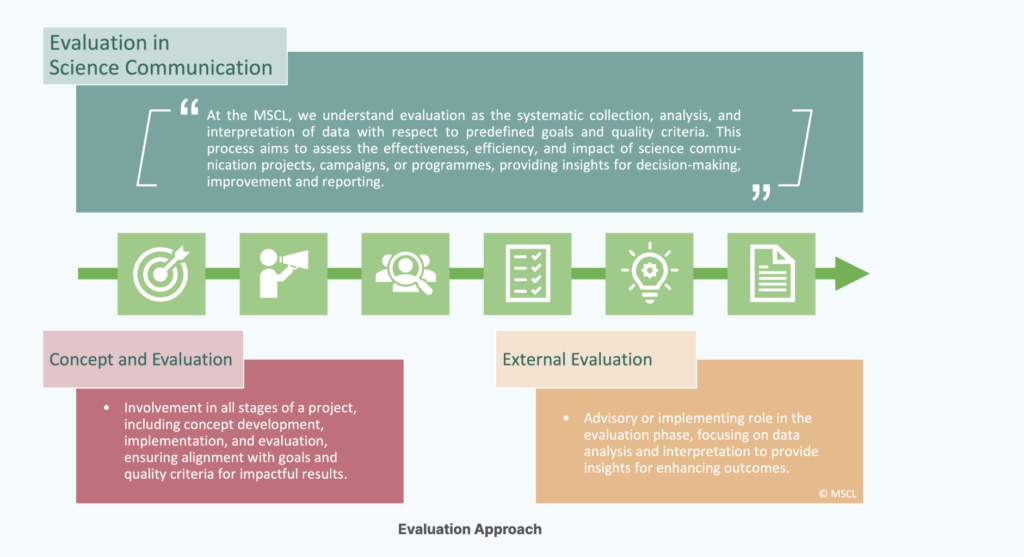
As I listened, I realized how the media treats communication — as a shared responsibility. Both BR and MSCL reminded me that media and science are strongest when they speak with people. Media is the bridge to bridge the science, the knowledge and the news to the public.
Leave a Reply