Sometimes all you need is someone to believe in you
Interview . SocietyIn a society that often measures people by their successes or failures, it is easy to turn away from those who stumble and lose their way. Those who face addiction, trauma, or emotional breakdowns are rarely given room to rise again and often gets marginalized and forgotten. Yet some people choose to walk towards them and believe in their potential, by waking up every morning determined to offer hope where almost none is left. One of these people is Valentina Maragno and today I am here to hear her story and explore the motivations and challenges behind her work.

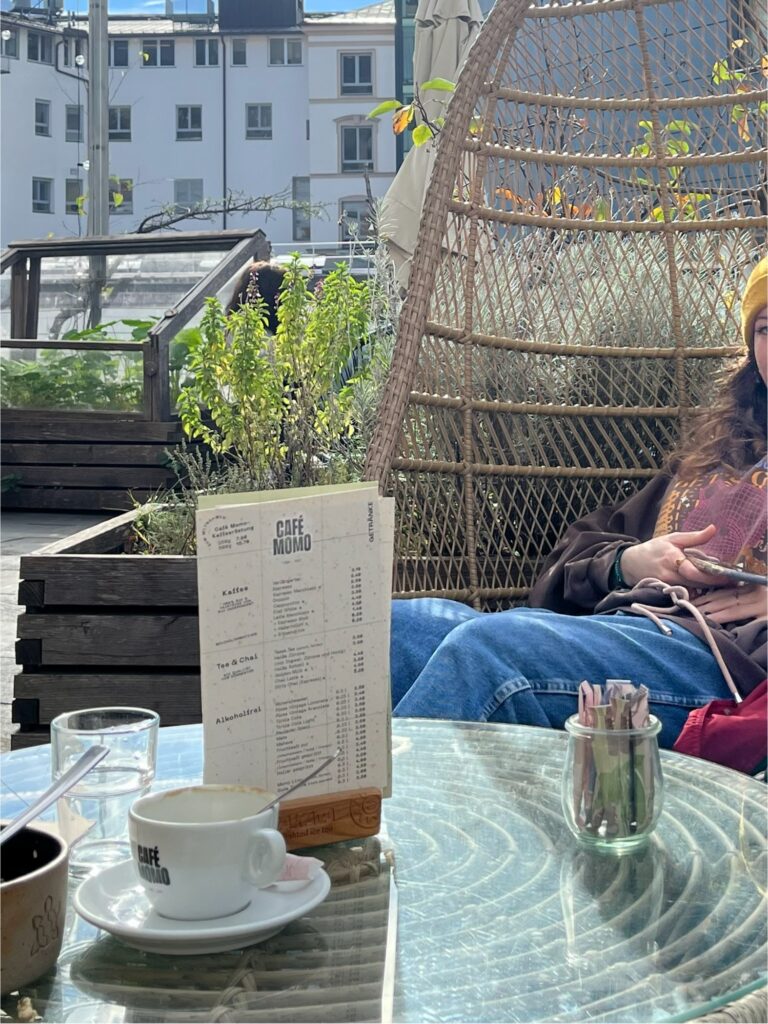
Fotos of the trip to Innsbruck to meet Valentina (Source: Anna Dal Bo’s Photos)
Q: What led you to choose a residential rehabilitation centre as your workplace after studying psychology? Was there a moment or encounter that made you realize this was where you wanted to contribute?
A: During my internship, I worked in trauma-focused psychotherapy, so I was already interested in understanding how people develop dysfunctional strategies in response to painful life events. When I first visited the community where I now work, meeting both the emergency intake group and the long-term rehabilitation residents, I immediately sensed the intensity of the environment. In intake, everything is closer, more direct… people need constant contact and reassurance, and operators often hold more hope than the users themselves. I think I realized I could give something meaningful there, and that these individuals, many of whom have experienced severe trauma, could, in their own way, give something back to me. My background in neuroscience also played a role: understanding how substances impact the brain, the body, and social functioning made me even more aware of how addiction destroys not only material stability like homes, jobs, relationships, but whole identities. Working at the foundations of that reconstruction felt like the place where I wanted to be.
Q: What is the most challenging aspect of your job, both humanly and professionally? And how do you maintain emotional balance when facing difficult situations every day?
A: Professionally, managing relationships with people who do not recognize authority and constantly test boundaries is extremely demanding. Many users provoke or challenge you the moment they sense uncertainty, and since our work is fundamentally relational, this dynamic is always present. At the same time, many of them are unaware of their own difficulties and tend to minimize rules, limits, or the risk of relapse. Helping them face what they would rather ignore requires constant patience. On a personal level, the hardest part, especially at the beginning, is knowing where to draw the line. Early on, I often brought everything home with me. Their stories, their anger, and their hopelessness can overwhelm you, and because they often attack you on a personal level, the risk is questioning yourself far more than is healthy or useful for them. Learning emotional distance takes time and experience.
Q: What strategies or personal boundaries have you developed to prevent the job from following you home?
A: The most important tool is the weekly team meeting. We spend half a day discussing the users, sharing moments where we struggled, and confronting our own reactions. The bond with colleagues gives strength and helps reframe situations professionally rather than personally. Users constantly reflect our vulnerabilities back at us, and without team support it’s easy to misinterpret professional challenges as personal failures. Of course, some things inevitably follow you home, but over time you learn to take with you the reflections, not the emotional load. Another essential aspect is identifying what you want to share about yourself and what you don’t. Maintaining a healthy emotional distance allows you to be supportive without being consumed. Irony also helps: responding humorously to provocations often diffuses tension and prevents their words from sticking with you afterward.
Q: What do you think is the most rewarding part of your job?
A: In this field, you learn to appreciate small victories. Progress is slow and often invisible day by day, so every moment in which a user gains awareness or faces a difficulty is significant. In individual sessions, unlocking a thought pattern that later grows during group meetings is incredibly gratifying. Group discussions, where everyone contributes and opens up, are often the clearest sign that something is shifting.
Q: And now a more delicate but important question: do you think work in centers like yours is adequately recognized and compensated? What would you change to improve its value in society?
A: Not at all. If it were truly recognized, society would invest far more in prevention… prevention is always the key. Funding for rehabilitation services is limited, risks for operators are real, and protection is minimal. Better financial support, collaboration with anti-violence centers, and more prevention projects for young people would make a huge difference. The current salary definitely does not reflect the emotional and relational weight of this work. Greater compensation would signal that society understands the value of helping people who are often forgotten.
Listening to Valentina’s experiences shows how demanding and meaningful rehabilitation work truly is. It requires patience, resilience, and a strong belief in the possibility of change. Her words highlight not only the challenges of this profession but also the simple truth that believing in someone can genuinely make a difference. You just need to take life one small step at the time.
Leave a Reply