Field Trip 1: Radio LORA – Community Radio, Limited Budget, Unlimited Voices
Excursions . MediaHello everyone, and welcome back to another blog post from my seminar Media Institutions in Munich. This time, we visited Radio LORA, one of Bavaria’s two community radio stations. After exploring several large and well-funded media organizations last semester, this visit offered a completely different perspective on what media production can look like. In this post, I would like to share some of my impressions and reflections from our visit.
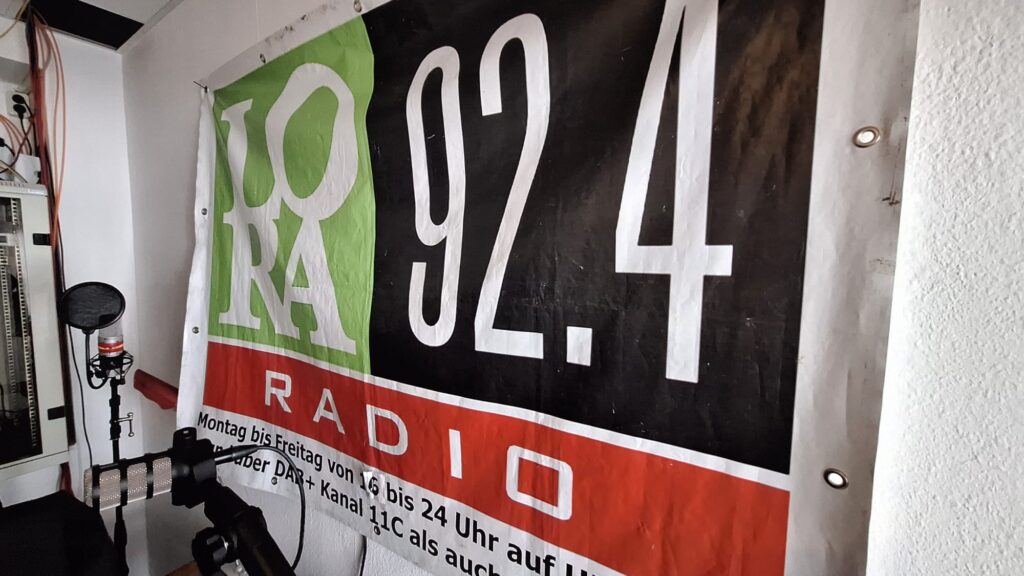
Source: Author’s own photograph
Unlike public broadcasters funded through broadcasting fees or commercial stations financed by advertising, LORA is a non-profit, non-commercial radio station that relies heavily on volunteers and donations from the community. Its programs focus on social, ecological, cultural, and political topics, providing a platform for voices and perspectives that are often underrepresented in mainstream media.
Before the visit, I expected a radio station to look similar to the large media organizations we had visited earlier in the first semester. Having previously toured Bayerischer Rundfunk, with its impressive buildings, professional studios, and extensive resources, I had a certain image of what broadcasting looks like. LORA challenged that image completely.
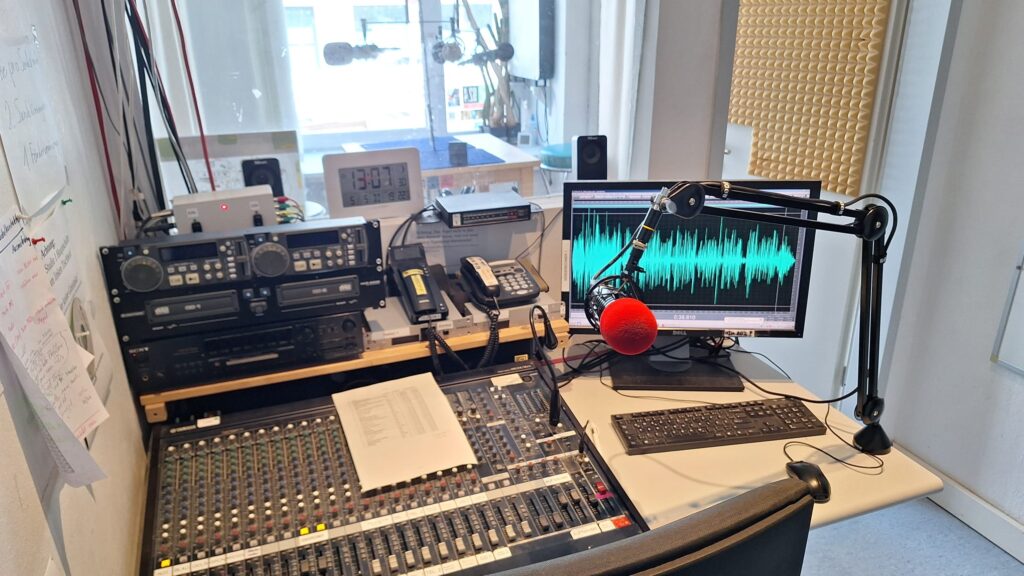
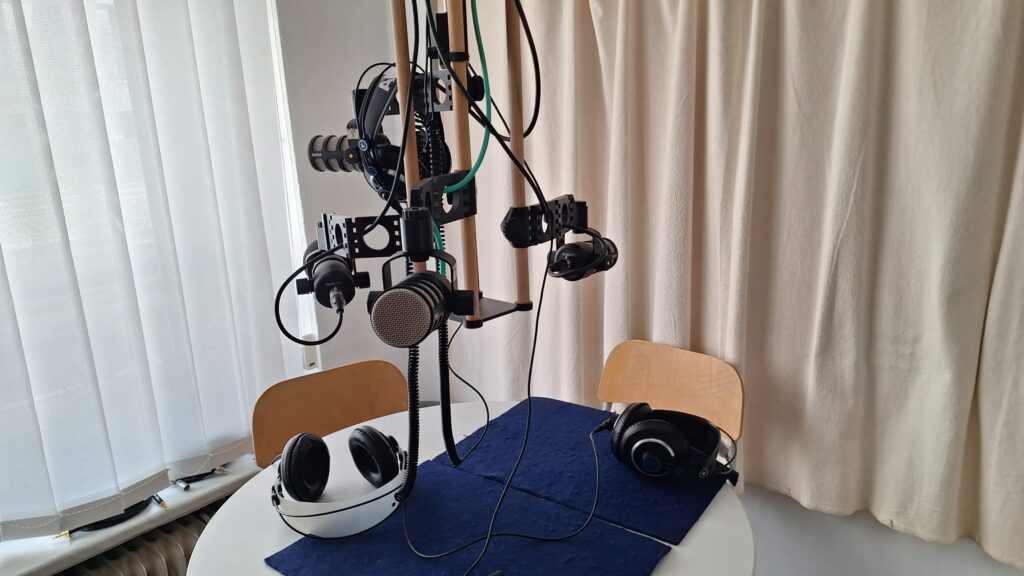
What surprised me most was how small the station was. Instead of a modern media complex, the rooms felt more like a shared apartment or a community center. The equipment appeared modest, and the overall atmosphere was informal. At first glance, it did not resemble the professional broadcasting institutions that many people associate with radio. However, after learning more about the station, I began to appreciate what it represents.
Source: Author’s own photograph
The history of LORA shows how difficult it can be for community media to survive. Since its founding, the station has faced numerous challenges. During the presentation, we heard stories about struggles over broadcasting frequencies, financial difficulties, and even fines for administrative mistakes. At one point, the station had to pay a significant penalty because legally required contact information was not broadcast as required. Today, LORA still shares its FM frequency with other stations, including Radio Horeb. These examples illustrate how community media often operate under the same regulations as larger broadcasters but without having the same resources available.
Another aspect that stood out to me was the station’s financial situation. Most of the people working there do so voluntarily. Only a small number of employees are paid, mainly to coordinate volunteers, do the technical part and manage organizational tasks. Even basic activities can be challenging due to limited funding. One example that I found particularly striking was that the station cannot afford the audience research services that larger broadcasters use. As a result, nobody really knows how many people listen to LORA. During the discussion, an estimate of around one thousand listeners was mentioned, but even that was only a rough guess.
Source: Author’s own photograph
At the same time, this lack of resources has not prevented the station from developing a unique identity. One of the most interesting parts of the visit was hearing about some of the programs that have been produced over the years. These included a live cooking show, a program with disabled people, and gardening broadcasts. In addition, many programs are produced by international communities and are broadcast in different languages. This diversity gives the station a character that would be difficult to find in many mainstream media organizations.
For me, these examples demonstrated one of the greatest strengths of community radio. While large broadcasters often need to appeal to broad audiences, community media can focus on niche topics and specific groups within society. LORA provides a space where people can create content about issues that matter to them, even if those topics are unlikely to attract large audiences. In this sense, the station serves not only as a media outlet but also as a form of civic participation.
Source: Author’s own photograph
At the end of the visit, I was left with mixed feelings. On the one hand, I admired the dedication of the volunteers and the importance of the station’s mission. Community media play a valuable role in giving visibility to minorities, activists, and local communities. On the other hand, I could not ignore how fragile the organization seemed. Many of the people active at the station were older, and I found myself wondering what its future will look like in the coming years.
Nevertheless, the visit reminded me that media is not only about technology, professional studios, or audience numbers. They are also about people, participation, and the opportunity to be heard. Although LORA is small compared to major broadcasters, its contribution to media diversity in Munich should not be underestimated.
I hope you enjoyed reading about my experience at Radio LORA. The visit offered valuable insights into the challenges and opportunities of community media and showed a side of broadcasting that is often overlooked. I am looking forward to sharing more impressions from the other media institutions we will visit throughout the semester.
Leave a Reply