Visit to Radio LORA
Excursions . GermanyVisiting Radio LORA, a local radio station in Munich, was a really special experience for me. To be honest, I didn’t know what it would be like, but the inside of the station totally surprised me. It did not look like the big, fancy TV or radio stations we usually see. Instead, the place was small, cozy, and felt really warm. I saw a few staff members sitting together, talking and laughing like friends. It felt more like a comfortable hangout spot than a stressful workplace, and I really liked that.
But the most shocking thing was learning that Radio LORA is run 100% by volunteers. Nobody gets paid, and everyone works for free. Giving up your free time to run a whole radio station without making any money is very hard, so it was amazing to see so many people working together just to keep the station going.
The most interesting part for me was learning about LORA’s history. The speaker explained LORA’s story along with the history of German media, which made it really easy and fun to understand. As a Communication student, most of my classes and projects have been about video, social media, and internet platforms. Because of that, I did not know much about radio. This visit helped me learn a lot about the history of radio in Germany.
For example, I didn’t know that radio stations used to fight a lot to get FM frequencies, or that they legally must broadcast their official company information once every single day. It was also cool to learn that in 1994, LORA shared its frequency with other stations. I never knew that sharing a frequency (which is called a “frequency split”) was even possible! This visit also showed me how closely media and politics are connected. It was very interesting to hear that the German government delayed digital radio in the early 2000s because of politics and voters. Politicians knew that forcing people to buy new digital radios (especially for their cars) would cost citizens money and make them angry before the elections. Back at my university, I studied political communication and learned about the structural ties between media and politics, so it was wonderful to encounter a real case of Germany right here.
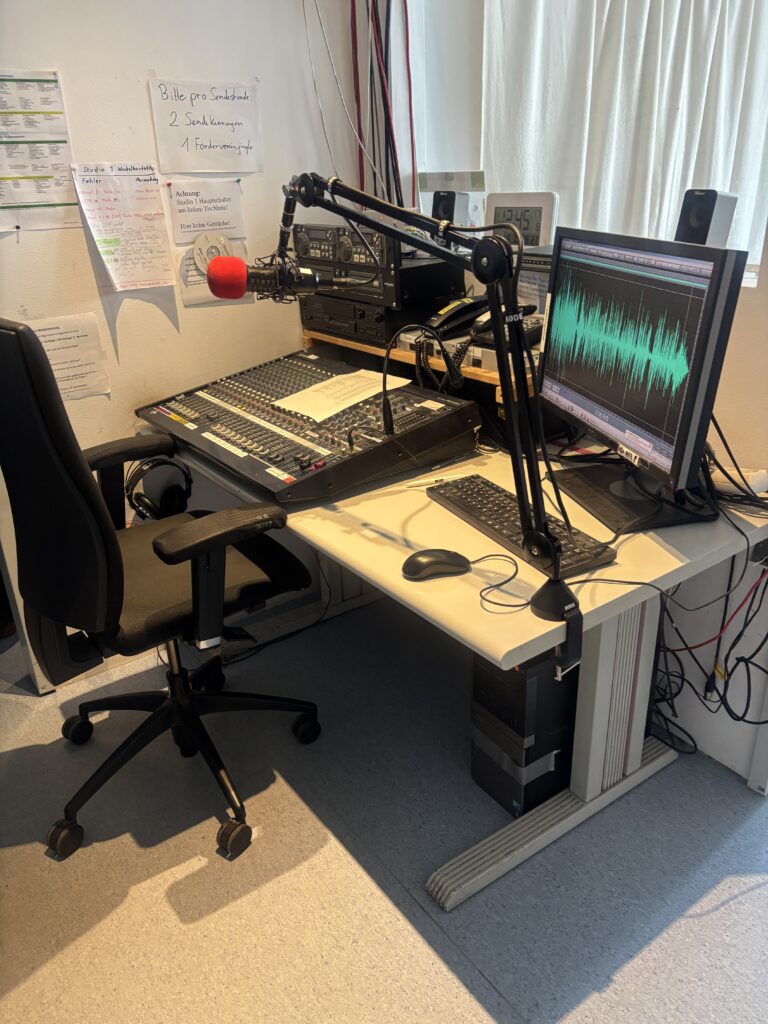
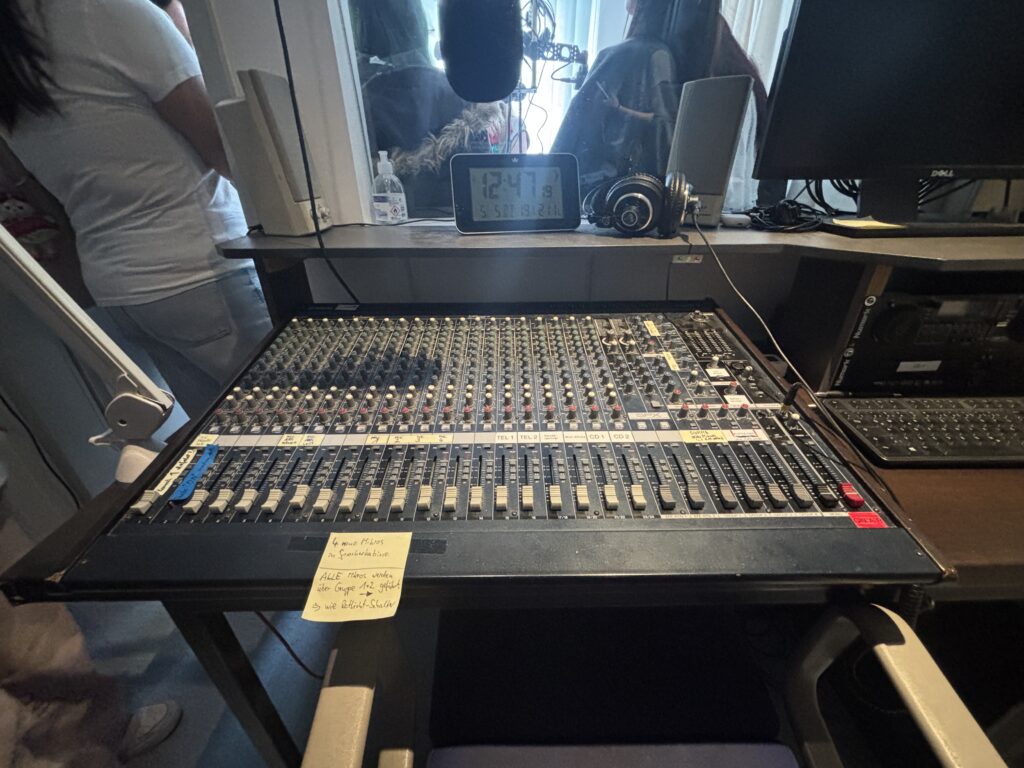
When we think about how this station is run only by volunteers, the fact that they broadcast for eight hours every day from Monday to Friday is like a miracle. It must take a lot of hard work behind the scenes. Out of all their programs, I was most curious about the Daily Political Magazine that airs at 6:00 PM. I want to know how they do local interviews and talks because Bavaria has its own political inclination. I definitely want to listen to it when I have some free time. During the talk, one specific story really touched my heart. The speaker talked about a live show they used to have called “Beautiful stutter,” which was hosted by people who stutter and even took live phone calls. The goal of the show was to let people hear stuttering openly, helping people lose their fear of talking to others. I thought that was incredibly beautiful. They are giving a voice to groups and minorities who are completely ignored by big media stations. Instead of listening to official company speakers who all sound exactly the same, LORA lets regular, unsupported people speak.
Of course, things are not perfect, and hearing about LORA’s money problems was quite sad. Their support club has fewer than 500 members right now, so paying for rent, electricity, and equipment must be a big struggle every month. But this is not just LORA’s problem. It’s a problem for the whole traditional broadcasting world. Media is changing so fast, and with so many new internet platforms, old radio and TV stations are losing their power. Since radio is one of the oldest forms of media, it is hurting the most, and being a non-profit makes it even harder for LORA. It is hard to find an easy way to get enough money, and honestly, the limits of a volunteer station are clear. But even with all these big problems, seeing how much passion and creativity they put into making good, meaningful shows gave me a lot of hope. It felt like seeing a small light for the future of community media.
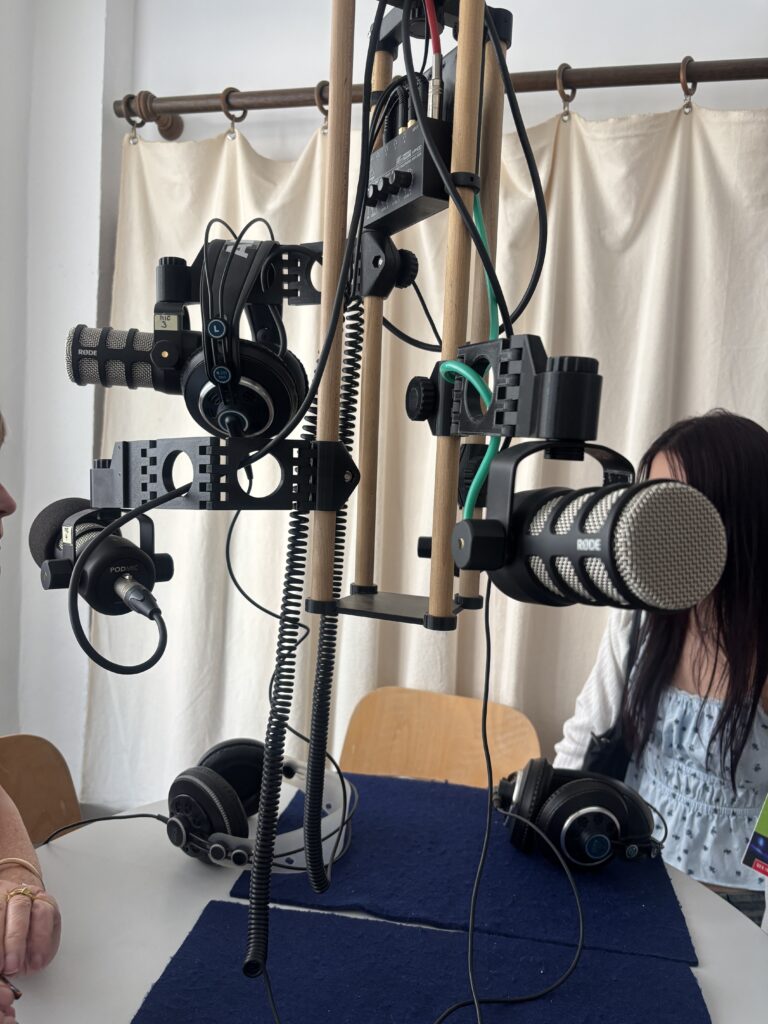
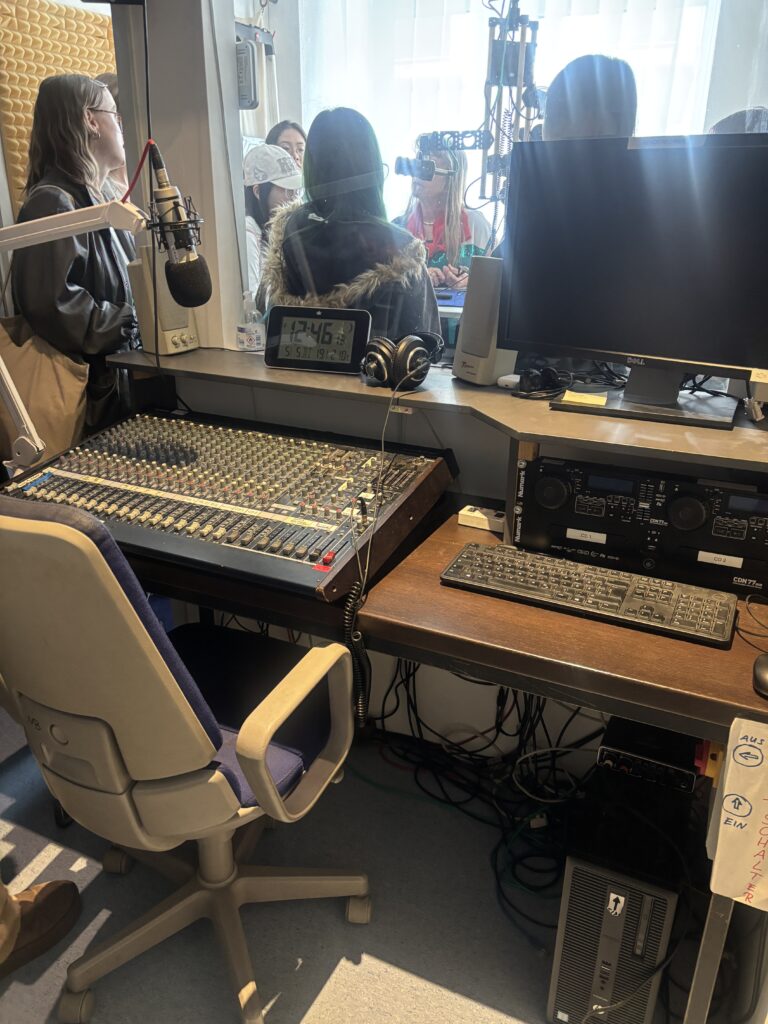
Leave a Reply