Radio LORA: The Community Radio Dilemma of Bavaria
Culture . Germany . Media . Politics . Uncategorized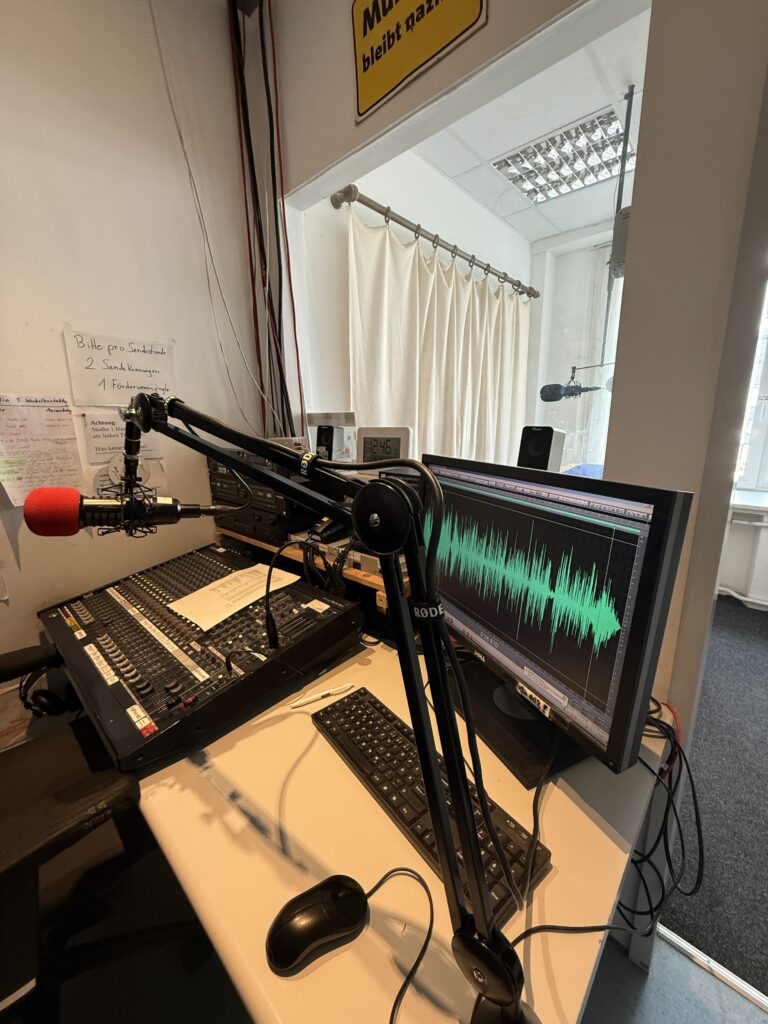
Radio LORA is a community radio station operating in Munich. It was founded under the name “Lora Friends Association” in 1986 to financially support the radio station. They received their first frequency in 1993 and later changed to their new home and still lasting frequency of 92.4 fm in 1994. There are three types of categories media institutions fall into in Germany: public, private and community. However in Bavaria, as it is a free state, only two of these categories are recognised: public and private. This leaves Radio LORA as one of only two lasting community radio station in Bavaria. They receive no money from the government and as a result of this therefore rely on private funding from shareholders at a budget of 100,000 euros per year to operate the radio station (not a lot of money in the context of running a radio station). When I was informed that all the employees are working for free it truly put into context how much the mission and goal of this station meant to these people, giving a voice to the minorities in important situations and conversations. They have never veered off course from their vision of supporting these people, even when told they need to change their direction to attract more viewers, that for me sums up the passion and dedication of these people to the cause.
The wonderful lady that provided us with the presentation of Radio LORA highlighted the issue of being one of the only community radio stations in the country that do not receive funding from the government. So much so, she explained how there was a petition set up to change the law around community radio funding in Bavaria as she felt it was unfair. The disappointment in her voice articulated the struggle and effect this problem has had on the station over the years. This, alongside the unusuality of Bavaria not developing the same legal and political model for non-commercial community radio stations as the rest of Germany, lead to me want to research into why this law is the way it is and why it can’t be changed.
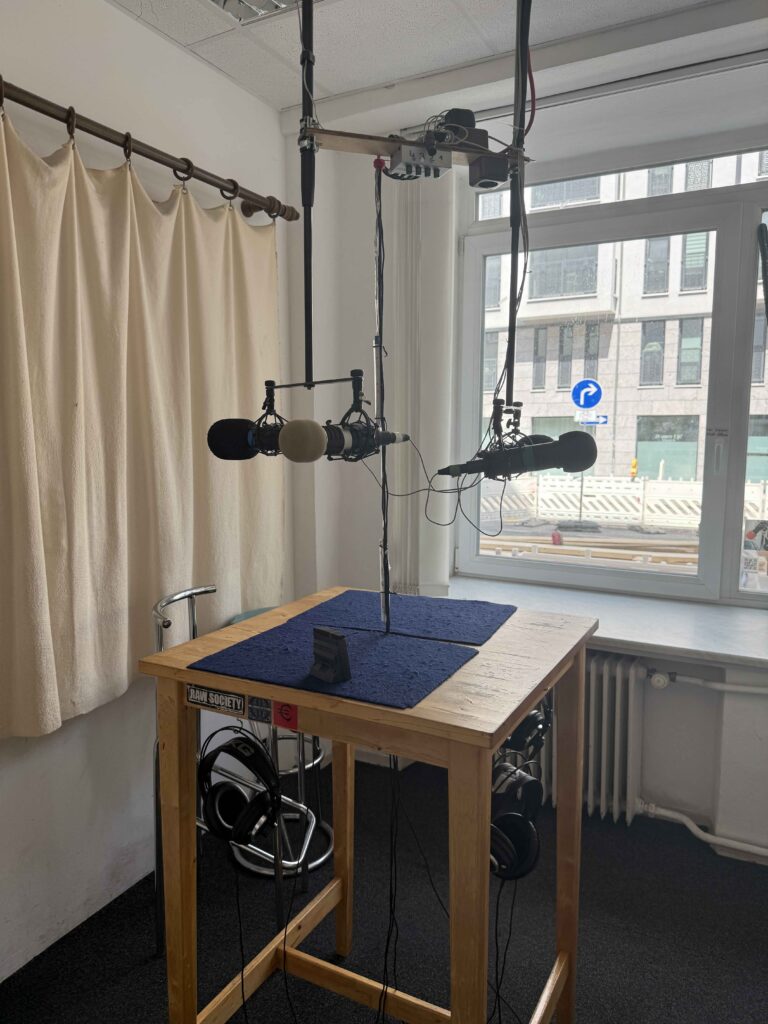
In most German states community radio developed as a recognised third sector alongside public broadcasting and commercial broadcasting. States such as Baden-Württemberg, Hesse, and Lower Saxony created legal frameworks that allowed non-profit community stations to receive support through state media authorities or media funds. Unlike every other German state, Bavaria’s constitution requires all licensed broadcasting to be subject to a specific form of public oversight. This led to a highly structured regulatory model under the Bavarian Media Act as stated by BLM (Bayerische Landeszentrale für neue Medien).
The argument against funding community radio is not stemmed from the belief that public radio has no value but rather that the public money of Bavaria can be better spent, considering the fact that the public broadcasting media tax already provides media coverage for local areas, educational content and public interest. It is also important to note that the Bavarian state does provide funding the local radio stations but not community stations. The only difference between the two would be an advertising license which unfortunately, during the set up of Radio LORA, they were unable to obtain. This leaves Radio LORA in an awkward position fighting for listeners with an already disadvantaged team. However this allows Radio LORA to operate with more freedom and to target the niche audience they want.
A particular story that resonated with me from the presentation at Radio LORA was the story of a show they had called “Beautiful Stutter”. In this segment they encouraged live callers with stutters to phone in and come on air to bring awareness to and empower those out there with stutters. This sentiment and concept is what sets Radio LORA aside from other stations, they are not afraid to be bold and truly give a voice to the minorities that are not as well represented by the public and commercial broadcasters.
This tour of Radio LORA has not only taught me more about the media landscape in Munich and Germany but also a lot about myself. The station visit encouraged me to reflect and truly feel the importance of the voices of minorities in this country. The unpaid work and constant effort to fulfil this purpose was also something I truly admire and will carry with me along my journey in the media world. The desire and hunger of these people to fight to keep alive a cause they truly feel needs to be heard is a quality I could only wish to develop in myself. Thank you Radio LORA for this eyeopening experience!
https://medialandscapes.org/static/country/germany/media/radio.html?
https://www.blm.de/en/we-support.cfm?
https://link.springer.com/rwe/10.1007/978-3-658-39909-2_68?
Leave a Reply