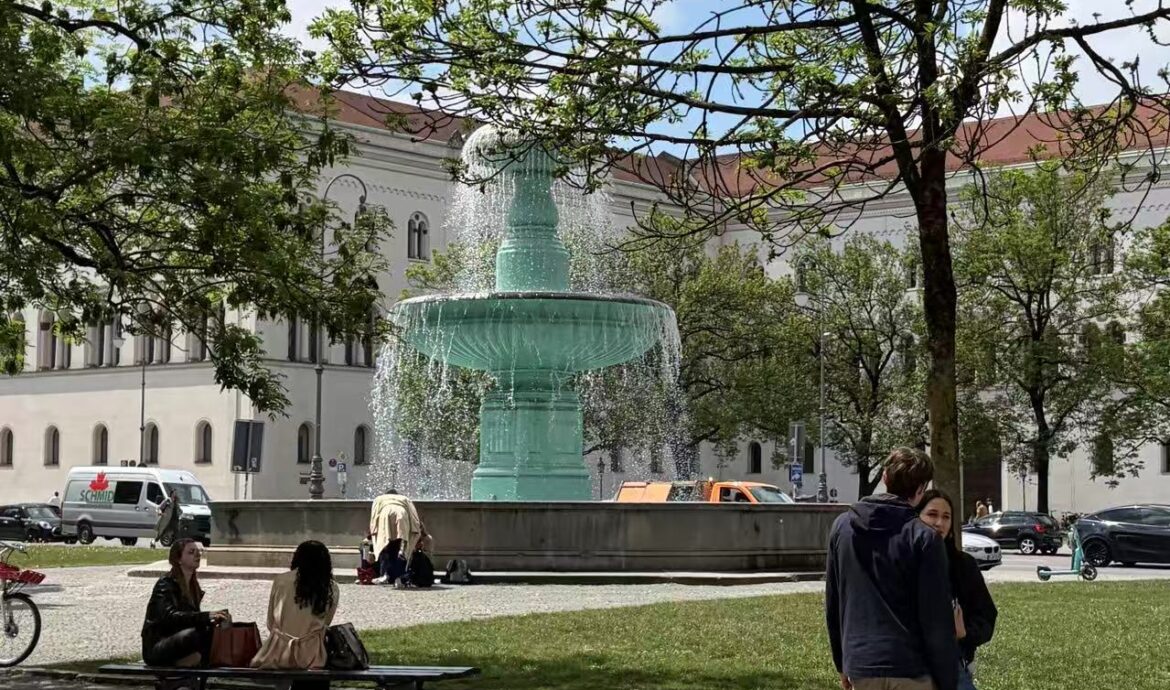
The End of the Exchange, The Start of a New Journey
Authors . Media . Student lifeSitting in the classroom now, my feelings are completely different from the excitement I felt when I first arrived in Munich. To be honest, I am not ready to say goodbye. My experience in the course Media Institutions in Munich, especially the four excursions, has left a profound impression on me. As an exchange student from another continent, this was not only an eye-opening journey but also an intellectual catalyst. Moving from the perspective of an “outsider” to actually stepping inside various media organizations, I have gained far more than I ever expected.
A New Understanding of Journalism
In one of our online guest lectures, Dr. Jana Rick explored a topic of growing importance in the media industry: why many journalists choose to leave the field? She explained that leaving journalism is a multifaceted process, often deeply intertwined with the broader structural challenges facing the industry. In the age of social media, the gradual decline of traditional journalism and discussions surrounding the “crisis of journalism” have become prominent topics in both academia and the industry. Questions like “Does journalism still matter?” and “Is it still worth entering the field?” are on the minds of many media professionals. However, this course has renewed my understanding of the vital importance of journalism and allowed me to feel the resilience of those who still stand their ground in the industry.
Holding Onto Ideals
Our first field trip took us to Radio LORA, a community radio station run by volunteers. It is dedicated to raising alternative voices in a media landscape increasingly dominated by algorithms, ratings, and commercial pressures. LORA made me realize that journalism does not have to be highly polished or commercially viable to carry meaning. Independence—even when it seems inefficient or small in scale—can be a powerful democratic force. It carves out space for perspectives and communities that might otherwise be overlooked, proving that the value of journalism lies not just in reaching the widest audience, but in representing diverse voices.
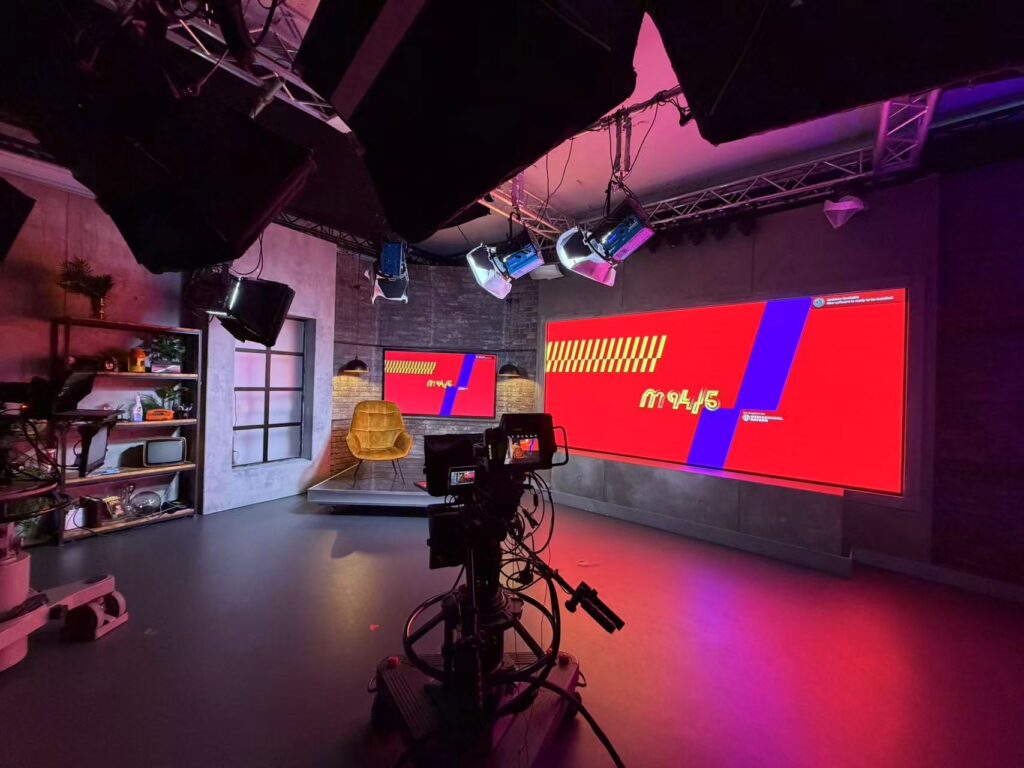
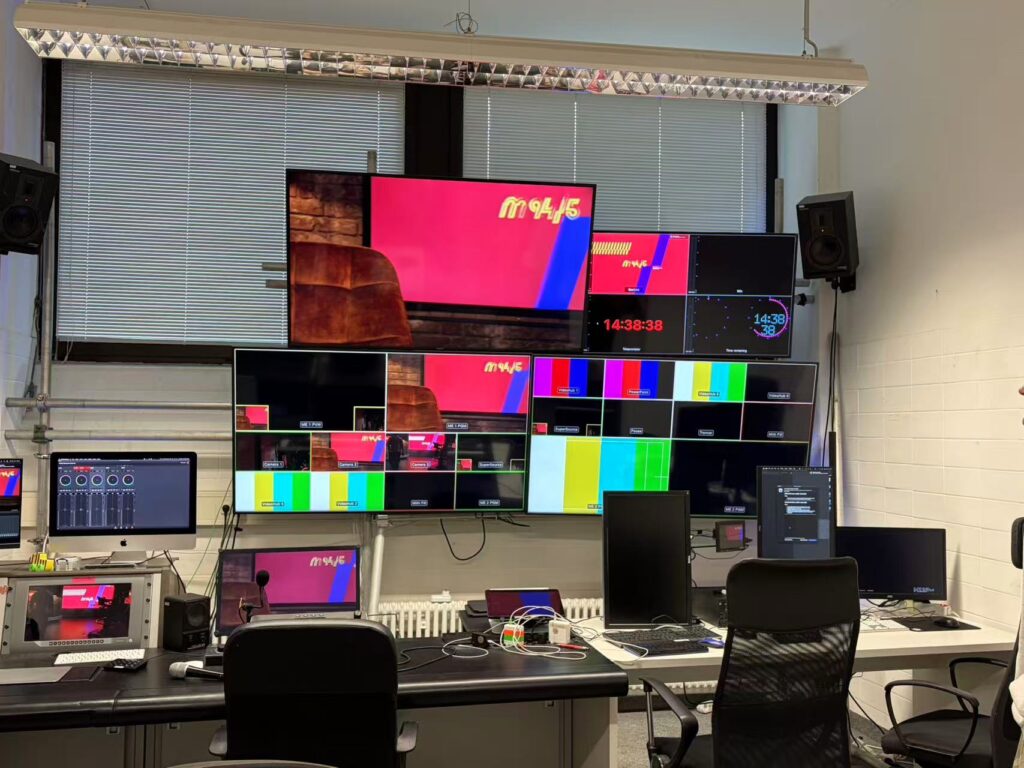
The Mediaschool Bayern offered a different perspective: a professional and practice-oriented environment where aspiring journalists learn by producing real content. Students are encouraged to experiment, make mistakes, adapt, and improve. The philosophy is simple: learn journalism by doing journalism. Every project, every recording, and every edit becomes an integral part of the learning process.
When Radio LORA blurs the line between listeners and producers, and when the Mediaschool grants students absolute freedom in choosing topics and experimenting, this is the true “democratization of voices.” It showed me how media can exist without bowing to traffic and algorithms, driven purely by passion and expression.


Continuous Innovation
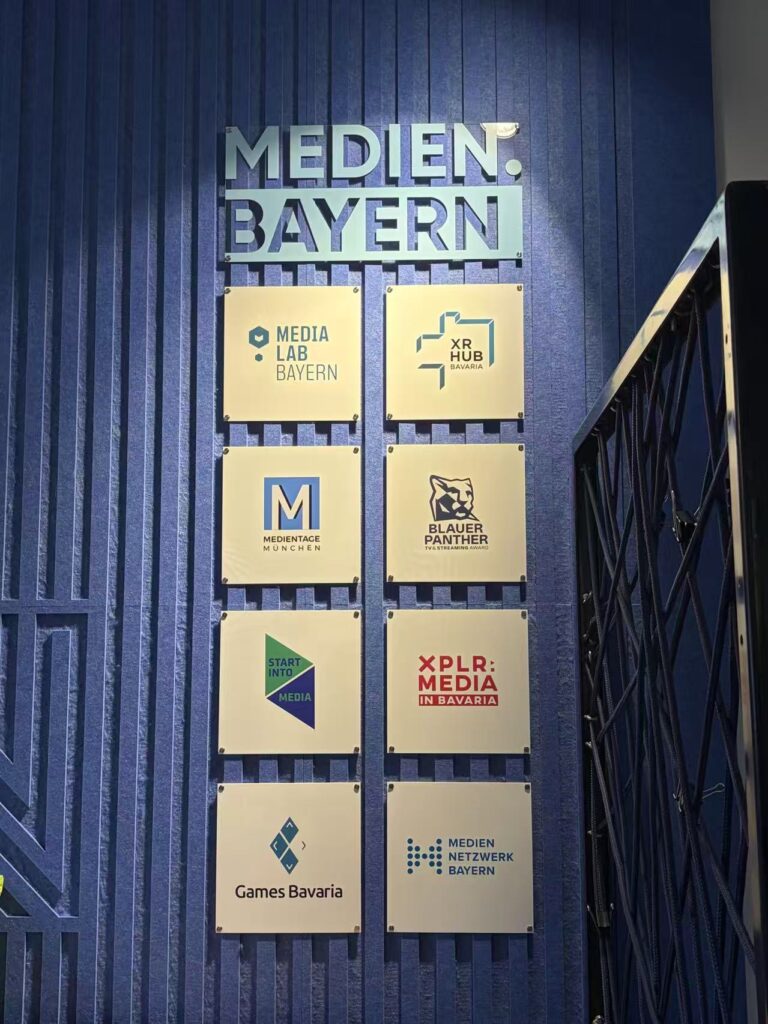
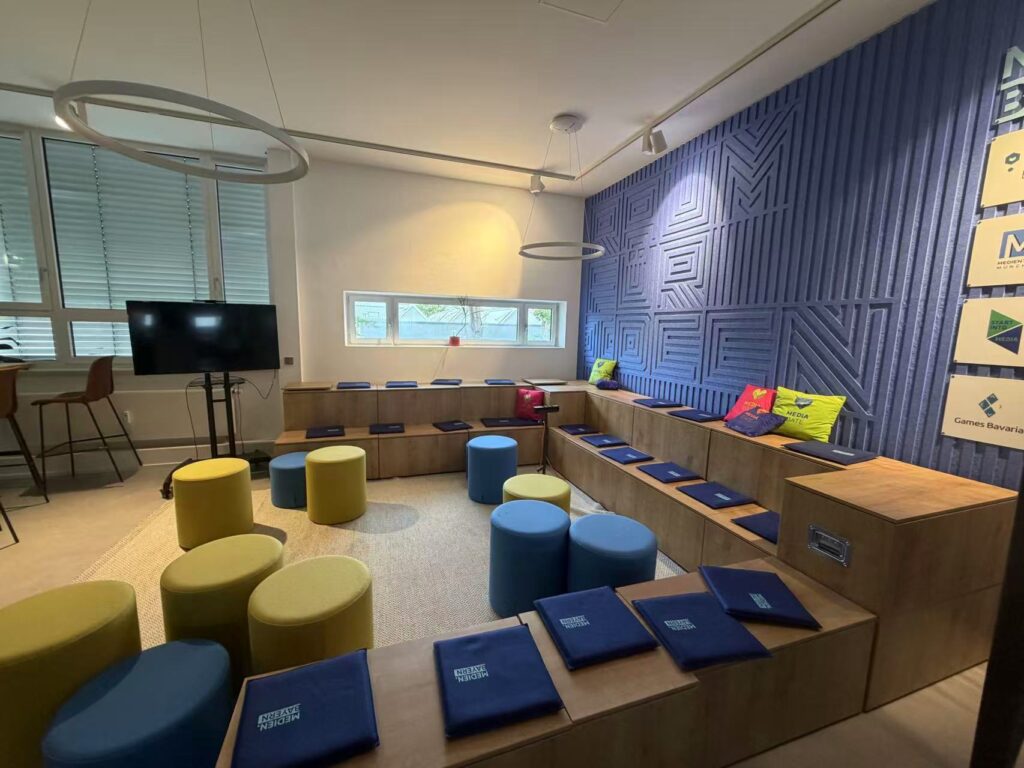
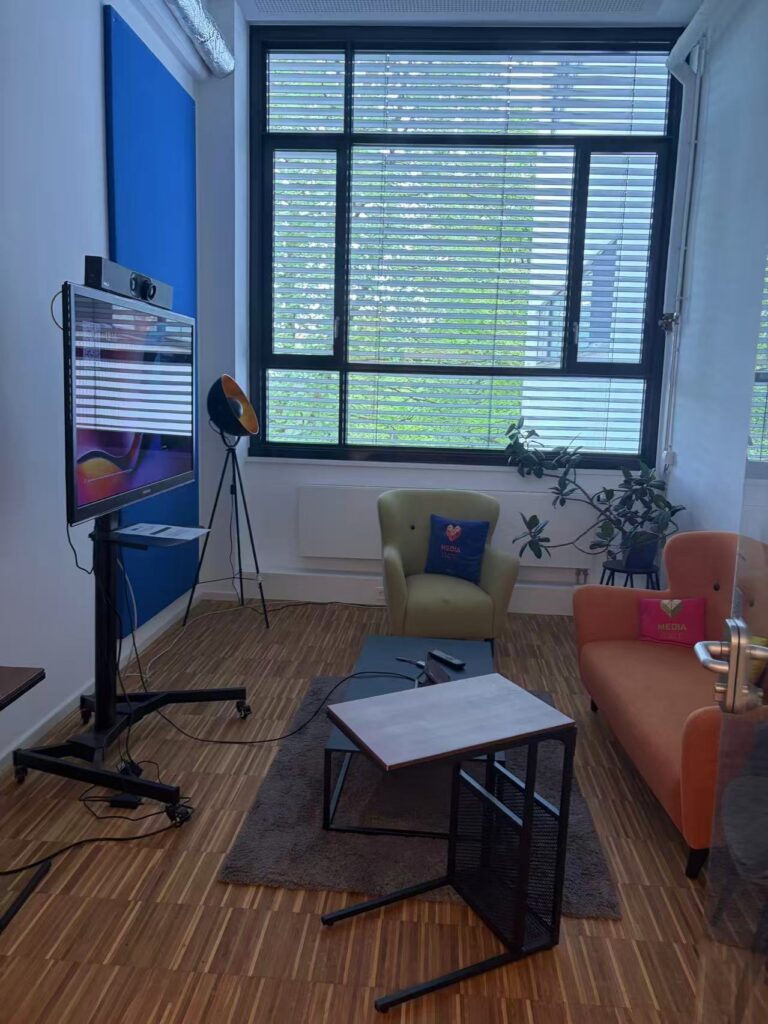
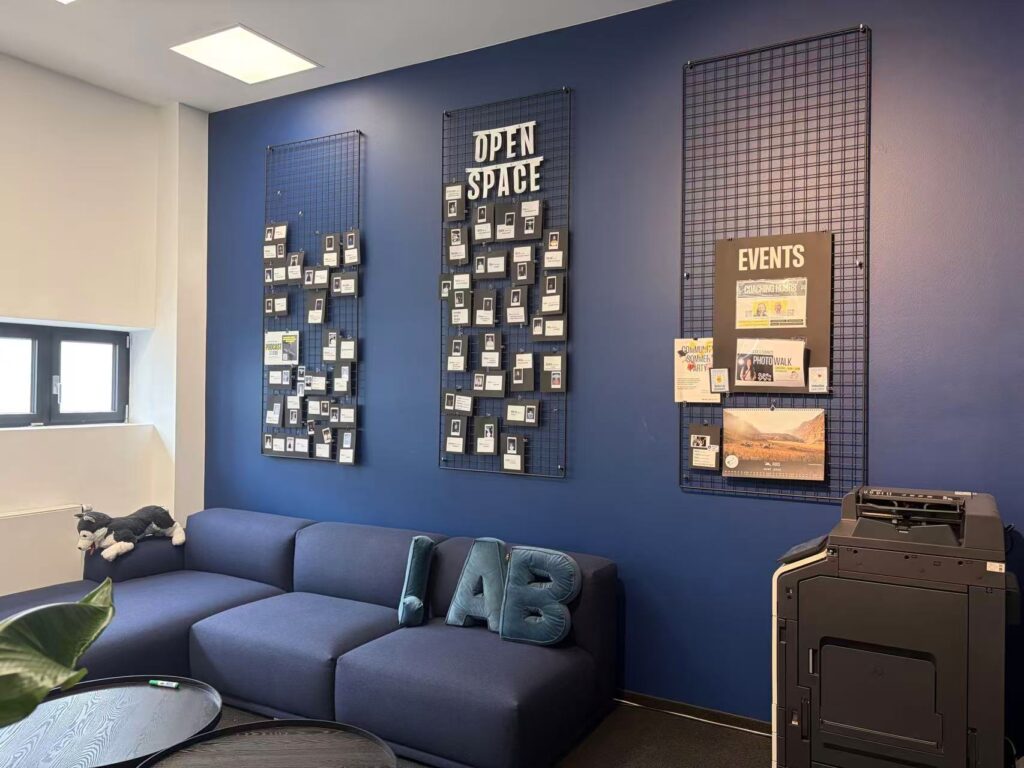
In my first blog post, I wondered how artificial intelligence would intervene in journalism, and Media Lab Bayern gave me the most inspiring answer. In this hub dedicated to driving innovation in news and media, technological change is no longer viewed as a threat that robs journalists of their jobs, but rather as an opportunity—to create new formats, rethink established practices, and reach audiences in different ways. Through project support and mentorship, it helps media startups transform emerging technologies into empowering tools. This taught me that the vitality of media is not static; it evolves continuously by actively embracing change.
What impressed me even more was that, to demonstrate how they help creators break out of their comfort zones, the facilitator arranged for us to participate in an intense small group workshop. We were divided into groups and given the challenge: How do you create a new podcast for students that contains practical information or inspiration in 10 minutes? Using a structured framework of design thinking—from understanding to exploration, and finally to implementation—we experienced firsthand how the lab guided media producers away from rigid editorial traditions and toward agile, user-centric solution building.
Looking Ahead
Reflecting on where this journey began, I am reminded of what I wrote in my first blog post: “As long as you start, it is never too late.” At that time, those words were merely a comforting mantra to ease my anxieties. Yet now, after witnessing the sheer diversity of the Munich media landscape, that phrase has transformed into a core conviction. In an era dominated by generative AI, large language models, and rapidly iterating technologies that threaten to outpace human adaptation, these field trips did not fuel my existential dread or professional anxiety. Instead, they did the exact opposite—they anchored me.
The true, irreplaceable soul of media cannot be simulated by lines of code. It resides in the palpable energy of the studio; it lives in the human passion that drives a journalist to investigate uncomfortable truths, the unwavering ethical integrity that guides editorial choices under immense pressure, and the profound, vulnerable desire to connect with one another across cultural and geographical divides. These human elements are the lifeblood of communication.
As my exchange program comes to a close, I realize that I am not just leaving Munich with academic credits, but with a renewed sense of purpose. Carrying this invaluable warmth, intellectual clarity, and inspiration gathered from the mentors and institutions in Munich, I feel fully equipped to step out of the classroom. With these insights as my compass, I am ready to embark on my next creative journey, eager to write, produce, and speak with a voice that is uniquely my own.
*All photographs were taken by the author
Leave a Reply