My Journey through Germany’s Media Landscape
Authors . Media influence . UncategorizedJournalism plays a vital role in promoting transparency, civic engagement, and accountability. Before joining the media institutions class, that was about all I knew about journalism. However, through my research, fieldtrips and presentations made in class, I have gained a comprehensive understanding of the rapidly evolving German media landscape.
Journalism informs the public, exposes injustice, and creates shared spaces for public dialogue. Despite the decline of print readers, the field trips to Süddeutsche Zeitung and Tageszeitung, reinforced how journalism continues to shape national and local conversations. Especially now with the growth of social media and spread of misinformation, the need for trusted journalism is very important.
The fieldwork revealed that media institutions vary significantly in structure, style, and audience focus. Süddeutsche Zeitung represents a traditional, large-scale national outlet with a formal tone and an older, educated readership. In contrast, Tageszeitung operates with a more grassroots, community-oriented approach, prioritizing human-centred stories and reader interaction. These differences illustrate how media organizations tailor their practices—from print layout to online formats—to serve specific target groups.
Another important insight is the importance of continuous education and digital training in journalism. Modern journalists must be technologically literate and understand social media and AI tools.
The Munich Science Communication Lab (MSCL) highlights the importance of science communication. It calls for collaboration between journalists and scientists.
Innovation offers both positive and negative aspects to the future of journalism. Tools like AI-generated content, interactive storytelling, and personalized newsfeeds have opened new pathways to journalism, but also raise questions about bias, ethics and editorial control. Developing sustainable digital models, engaging diverse audiences, and reinforcing media literacy are all essential for the future of journalism.
The future of journalism in Germany lies in adapting to digital practices while preserving the core values of trust, accountability and public service. One key vision is the integration of innovation with human-centred reporting, using tools like artificial intelligence, multimedia storytelling, and audience analytics to enhance journalistic reach without compromising quality. Field observations showed that reader interaction—whether through hotline feedback at taz or user-friendly design at Süddeutsche Zeitung—creates trust and loyalty. Future practices must expand on this by building stronger relationships with audiences, especially through transparency, dialogue, and community-driven content.
For example, during the Media Lab visit, we were tasked to come up with potential ideas on how to make journalistic content more appealing for a younger audience in order to stay relevant for people under 30.
The first step is to understand the needs of the audience. From research and my personal experience with social media, I identified some key needs among young audiences include convenience; fast, mobile-accessible content, authenticity; relatable content that feels trustworthy, visual engagement; content is visually appealing, diverse views; multicultural and inclusive and purpose-driven information; interest in social justice, climate change and mental health.
There are also barriers that prevent them from engaging with journalism. The lack of platform presence on TikTok or Instagram reels, there is low trust in the media, and the language often feels too formal or disconnected from everyday youth life.
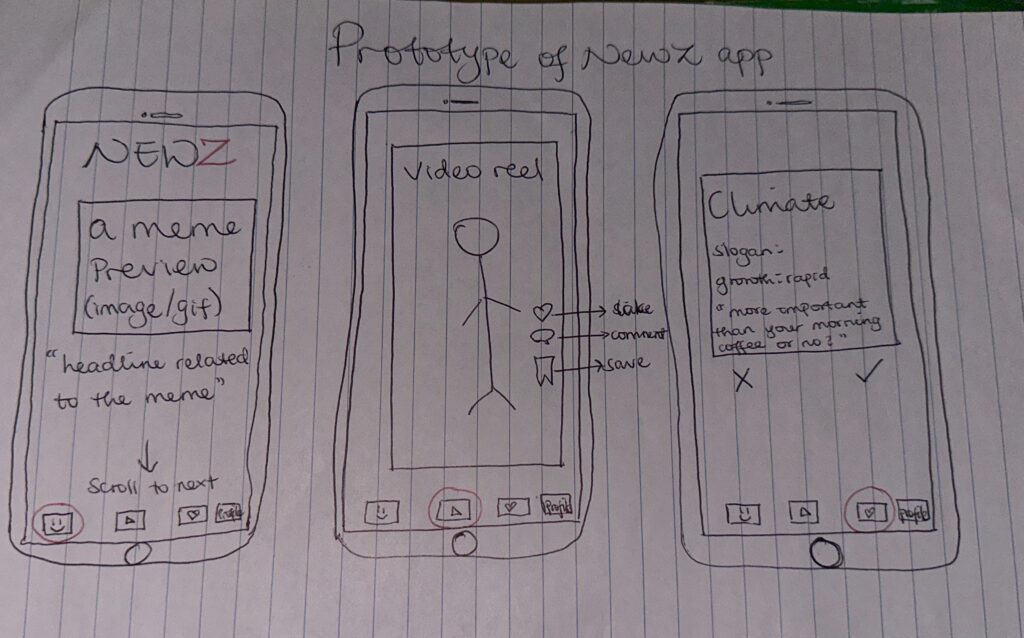
To solve these issues, I thought of various ideas. News as reels; short vertical video news on Instagram and Tiktok featuring younger journalists. Swipe-based news digest app; a tinder style app where users swipe through daily headlines and summaries in seconds, with options to save or read more about the headline. Meme the news; weekly memes made to explain global stories through humour and cultural references. These are innovative ideas and will adapt well with the younger audience, as they use similar apps with such features.
My prototype is called NewZ, a mobile platform that integrates reels, memes and swipe features. The idea is to inform Gen Z audiences using humour, visual culture and relatable formats without losing credibility.
From an academic point, i have gained a deeper understanding of the structure of journalism in Germany. I learnt how audience behaviour and technological advancements are reshaping news organizations. The historical evolution of German journalism helped me understand the roots of press freedom and the role newspapers play in democratic societies.
Personally, this research and the field visits challenged me to think more critically about the media I consume and the ways it shapes my worldview. I realized the value of independent journalism and the importance of holding on to journalistic standards in a fast-moving digital culture. Visiting places like Süddeutsche Zeitung and Tageszeitung gave me a real sense of how dedicated people are working behind the scenes to inform the public. I also became more aware of my own habits—how often I rely on social media for news, and how important it is to seek out diverse, credible sources. This experience inspired me to stay curious, question headlines, and appreciate the effort behind quality reporting.
Leave a Reply