Media Philosophy through Studio Architecture
Excursions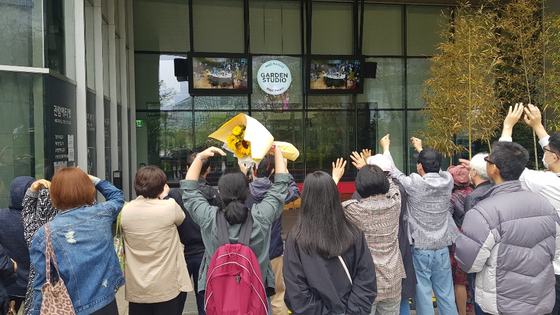
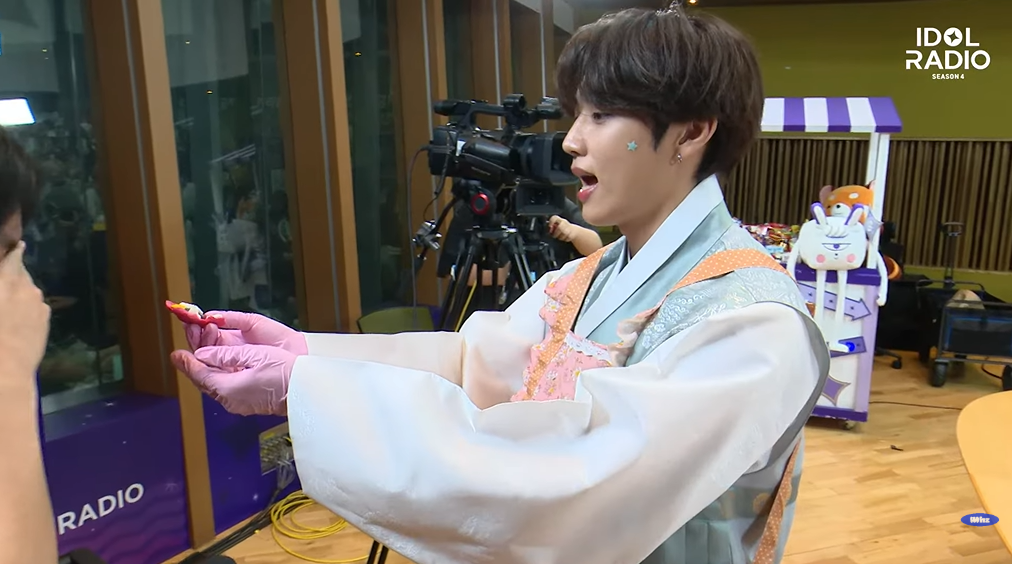
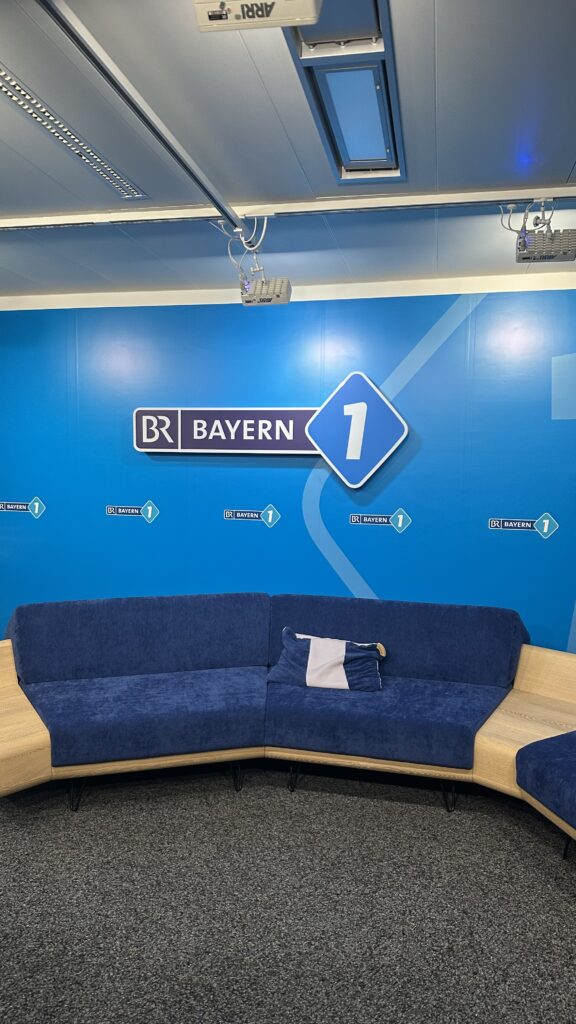
Every Wednesday 20:00, the garden studio in front of MBC Radio building in South Korea is crowded with people eager to see the radio show. In front of there, they can see famous idols and communicate directly with the DJ watching how radio proceed. Korean radio in the fields of entertainment tends to maximize visual engagement through strategies like open studios, live chats, and ‘visible radio’ to boost listenership and revenue. However, the atmosphere at the Bayerischer Rundfunk (BR) Radio Center in Munich, which I visited on October 23, was strikingly different. I couldn’t see any cameras or open spaces. Instead, they were equipped with special soundproofing to completely block external noise and special rooms for sound effects such as kitchen sets and sand. This stark contrast made me realize that the same medium can hold different weight depending on its background.
This difference in studio design reflects a fundamental difference in media philosophy. Korean radio’s reliance on advertising revenue focuses on maximizing entertainment and audience participation. This is a result of core functions of public reporting, such as news, shifting toward TV and the internet, causing radio to strategically shift its weight toword entertainment. Of course, there are still many radio channels that cover news and they are less numerous than in the field of entertainment. In contrast, the German public broadcasting system operates through a mandatory monthly receiving ‘Rundfunkbeitrag’ and therefore emphasizes its role as a ‘Social Infrastructure.’ Based on financial stability from this fee, they invest heavily in technical stability and quality, such as preparing two studios in case one collapses, having special rooms for making sounds and minimizing external interference.
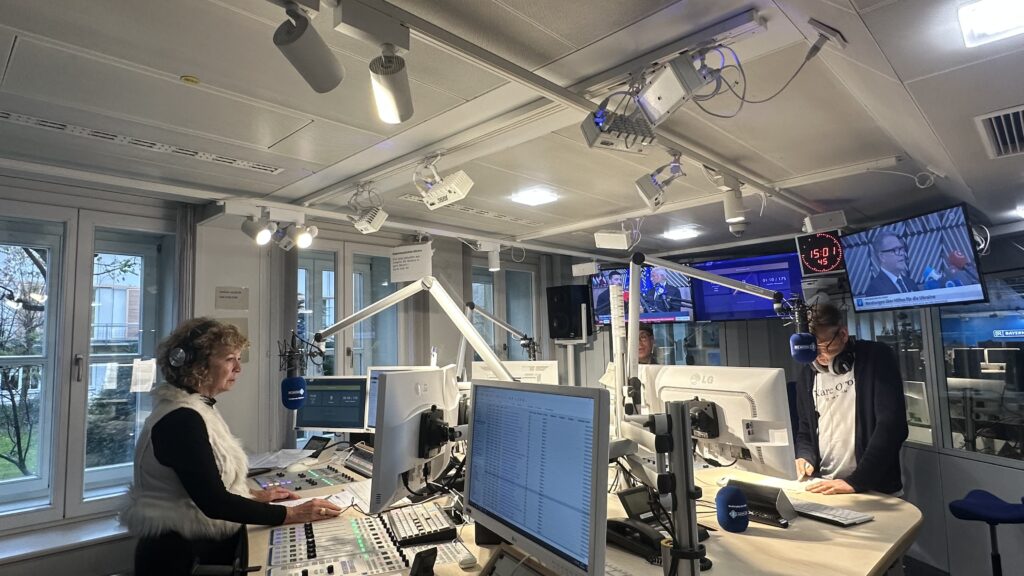

This difference underscores a contrasting definition of the audience’s role. In the Korean context, the audience’s feedback and excitement-even through background noise or live comments-are considered integral parts of the content and are actively sought out. However, in the German public broadcasting model, the audience’s presence is treated as a potential source of interference and noise that must be entirely blocked out to maintain uncompromising audio fidelity. This architectural choice clearly illustrates the distinct missions: one prioritizes co-creation and engagement, while the other focuses on unfiltered reliability and quality of the message.
Germany’s emphasis on pure audio quality and stability reflects a deep understanding of how media secures social trust. The technical focus of the BR studio ensures that content is delivered clearly and reliably, which in turn reinforces public confidence. This is crucial because radio is an essential communication channel that must function even in times of social crisis, regardless of commercial pressure. What was most impressive was how the social role and importance of radio were directly reflected in the differences in its structure (business model, technical investment).
Ultimately, the method of studio construction-cameras for entertainment versus soundproofing for trust-reflects the core values a society places on media. Germany’s approach suggests that media’s most important contribution ins unwavering reliability and quality over popularity. This experience served as an opportunity for me to move beyond the perspective of profit and popularity to the value of public media, expanding my understanding of the field.
Leave a Reply