Radio LORA – Voices Beyond the Mainstream
UncategorizedOur first field trip took us to Radio LORA, a community radio station located in the heart of Munich. As soon as we entered the building, it felt like I was stepping into a completely different media world. Instead of a modern office or a highly polished studio, we found a small, quiet and almost improvised environment. In the apartment of LORA there was old furniture, traditional wooden benches, little lighting, older technical equipment, limited space and two small recording rooms where all broadcasts get produced.
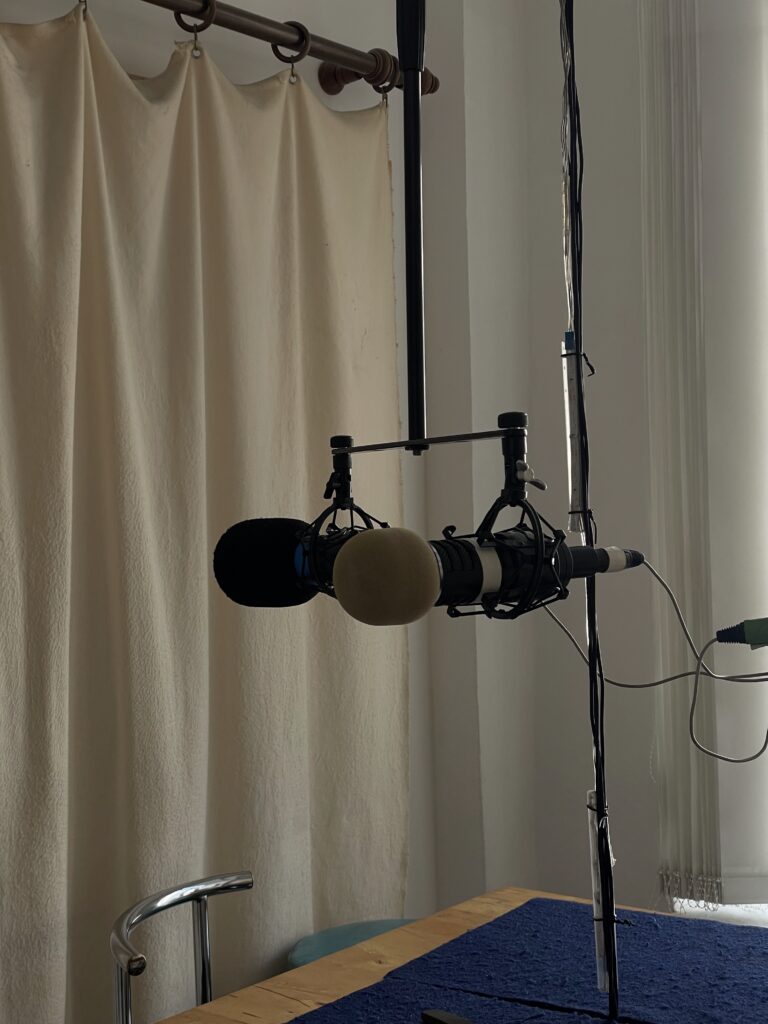
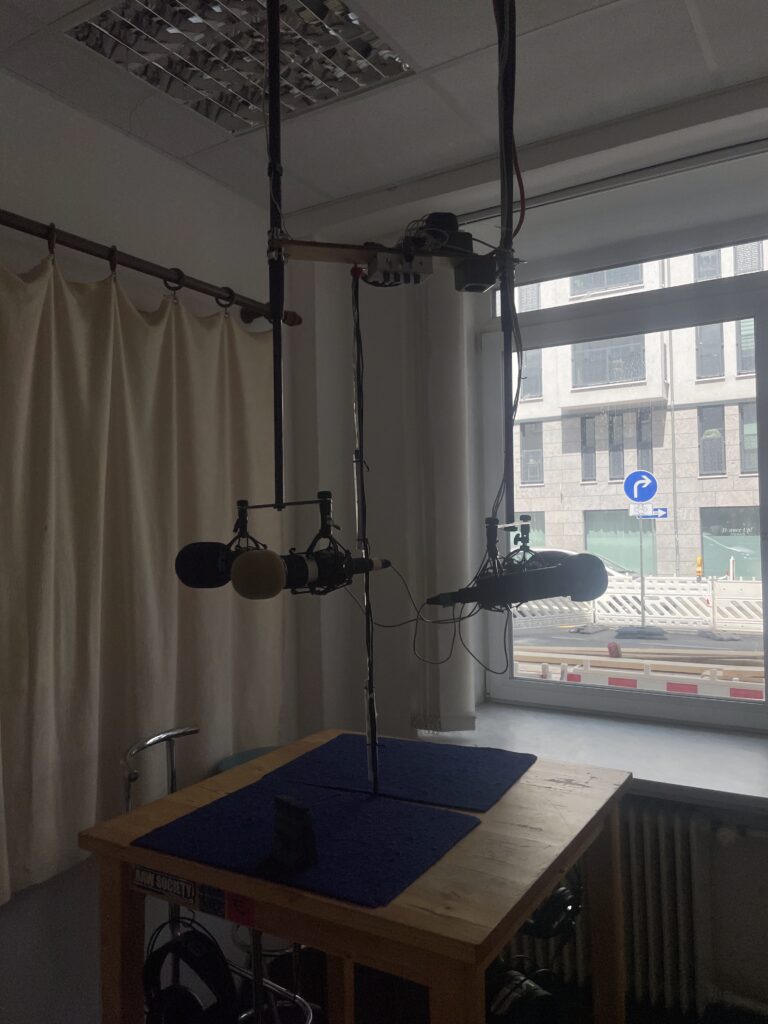
One of the first things I noticed was that the place felt surprisingly cozy also because it smelled like grandma’s cooking. This made the station feel very personal and human for me from the beginning on. The atmosphere was calm and we were asked to enter quietly as well. Even the people we met seemed shy or even nervous to speak with us, which was very different from the hectic atmosphere I associated with media companies before. During our visit, we only saw three people and all of them seemed a little bit older. Nevertheless and because of that, it was immediately clear, how much passion, heart and commitment stood behind these people and the radio station itself.
What I found particularly interesting here was that almost everything at LORA is organised on a voluntary basis. The staff develop their own programs, conduct interviews, edit contributions and host broadcasts independently. Considering the amount of unpaid work involved, I think this deserves a great deal of recognition. LORA’s history also demonstrates how difficult it can be to establish independent media, especially in Bavaria as a free state. Starting with little or no funding and struggling to secure a suitable frequency, the station repeatedly had to fight for its survival. One story that stood out for me was that LORA once had to pay a fine of more than 10.000 Euros because the legally required station identification was not broadcast correctly. This shows (once again) how strictly media regulations are enforced in Germany and how difficult it can be, especially for small independent organisations and especially for LORA considered as a broadcast with critical information, to survive within this system.
While speaking about information… The most fascinating aspect of the visit for me was learning about the topics that find a place at LORA but often receive little attention in mainstream and public media. This is where I see the most important social role of the station because LORA provides a platform for people and minorities that are often underrepresented. Their programs focus on issues such as social justice, migration, environmental topics, (multi-)culturalism, international affairs and minority perspectives. I was actually impressed by the diversity of the programs because also different days of the week focus on different topics. Several examples remained in my memory: One program featured people who stutter and included live phone calls with them, helping to make speech disorders more visible and reduce the fear of speaking. Another unusual format was a cooking show where food was prepared live in the studio, allowing the listeners to experience the feeling of cooking purely and only through its sound. There were also some particularly amusing programs about gardening called “Beetgeflüster” and even erotic literature before a church radio station began to broadcast. Such formats would probably rarely appear on commercial and public radio stations because they could be considered too niche or risky. Therefore, it’s admirable for me that LORA remains committed to its unique programming and gives a voice to topics that might be unheard otherwise.
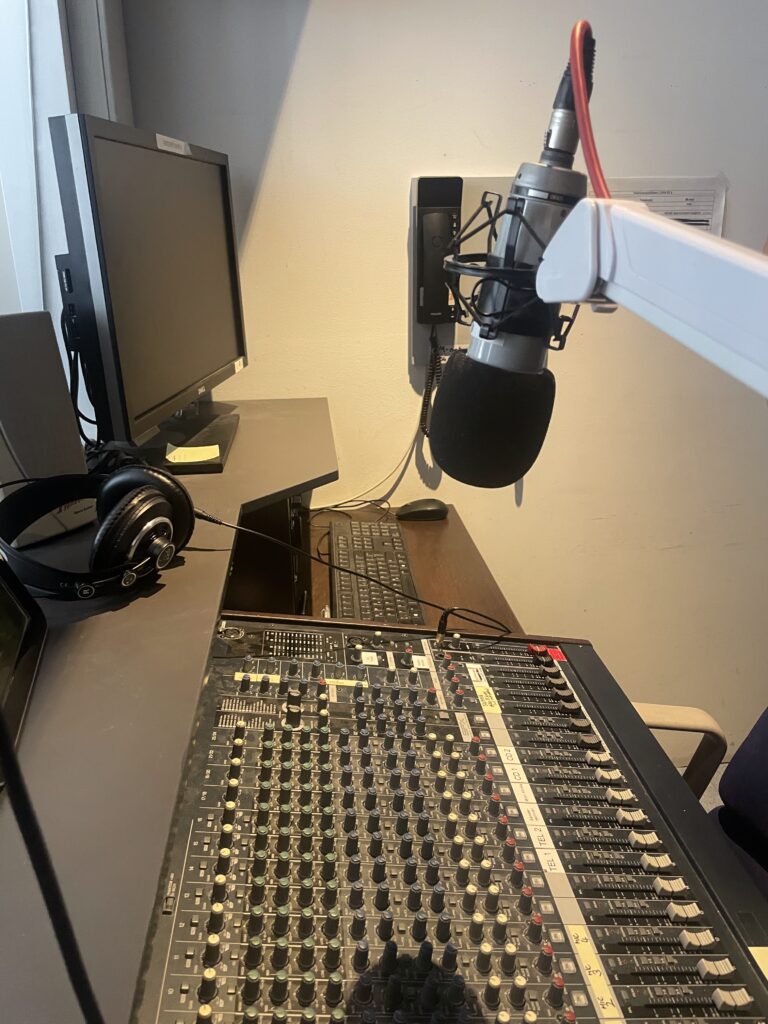
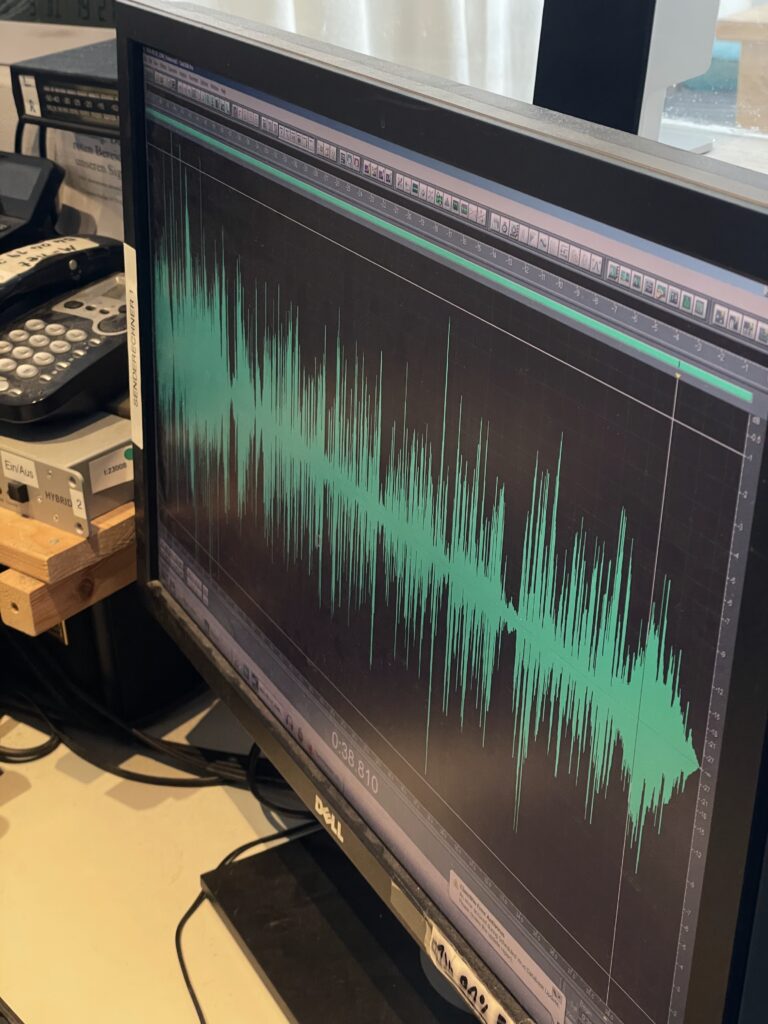
I would say this highlights the main difference between community radio and public media. Large broadcasters often focus on advertising, attracting the broadest audience possible and ratings (which LORA doesn’t even have). As a result, many programs sound very similar, featuring comparable music, presenters and content. But at LORA listeners hear different voices, dialects and perspectives. So the broadcasts may feel less polished but they also feel more authentic, personal and human instead.
Another aspect that for me is especially important is that LORA allows people to create media and programs themselves even without formal journalistic training. One example mentioned during the visit was a woman who pointed out that there was no Chinese-language program at LORA and then ended up helping to create one herself. That shows that community radio is socially so relevant, even if its audience is relatively small compared to larger broadcasters.
For these reasons, my impression after the visit was very positive. Many aspects were different from what I had expected from a radio station, but that is exactly what made the experience so interesting. LORA demonstrates that media do not have to be defined by large corporations, professional studios or commercial interests. Instead, it stands for diversity, inclusion, community and a critical alternative perspective. Especially in a time when most of the content we consume every day has become highly standardised, places like LORA seem particularly important for me. LORA reminds us that it is not always necessary to follow the crowd and that it’s possible and sometimes necessary to go against and beyond the mainstream.

Leave a Reply