Looking Back or rather Looking Forward: Reflections on Bavaria’s Media Landscape
Excursions . Germany . MediaHello everyone and welcome back to probably my last blogpost about my Media Institutions course. In this post, I will reflect on the semester and focus on the future outlook of the media landscape in Germany.
When I chose the seminar Media Institutions in Munich, I expected it to introduce me to some of Bavaria’s most important media organizations. Looking back, it offered much more than that. Instead of only showing how different institutions operate, the course provided a broader understanding of the values, challenges, and transformations shaping the German media landscape. Visiting organizations with very different missions, from community radio and innovation labs to one of Germany’s leading newspapers, demonstrated that there is no single model of successful media. The strength of the German media system lies in its diversity.
Source: Author’s own photograph
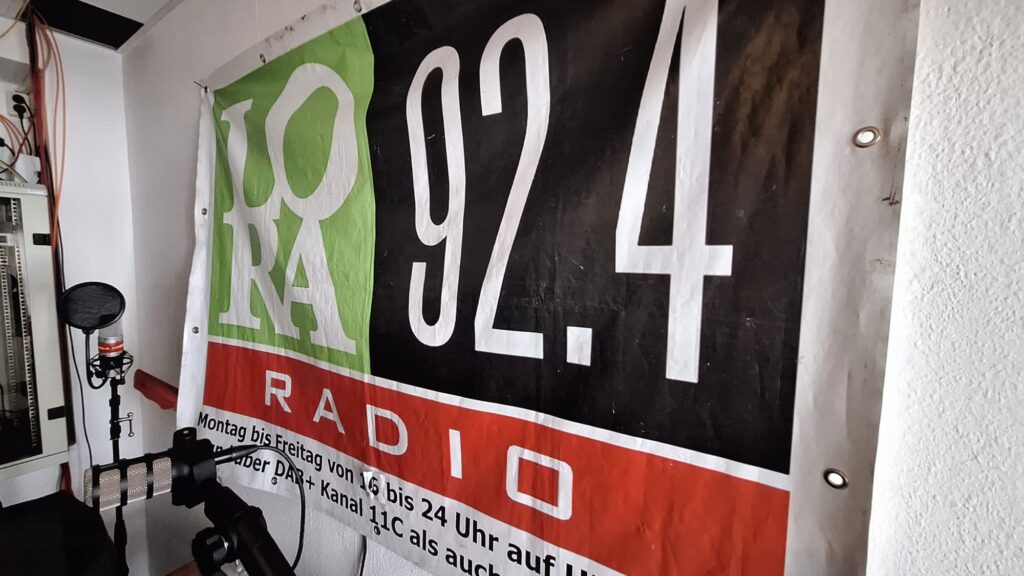
Each institution represented a different part of this ecosystem. Radio LORA showed the democratic importance of community media. Despite limited resources, the station provides a platform for voices that are often underrepresented in mainstream media. This visit reminded me that media quality cannot only be measured by audience numbers, technology, or economic success. However, I also questioned its long-term sustainability. The dependence on volunteers, uncertain funding, and an ageing contributor base raise the question of whether this model can continue without attracting younger generations.
Source: Author’s own photograph
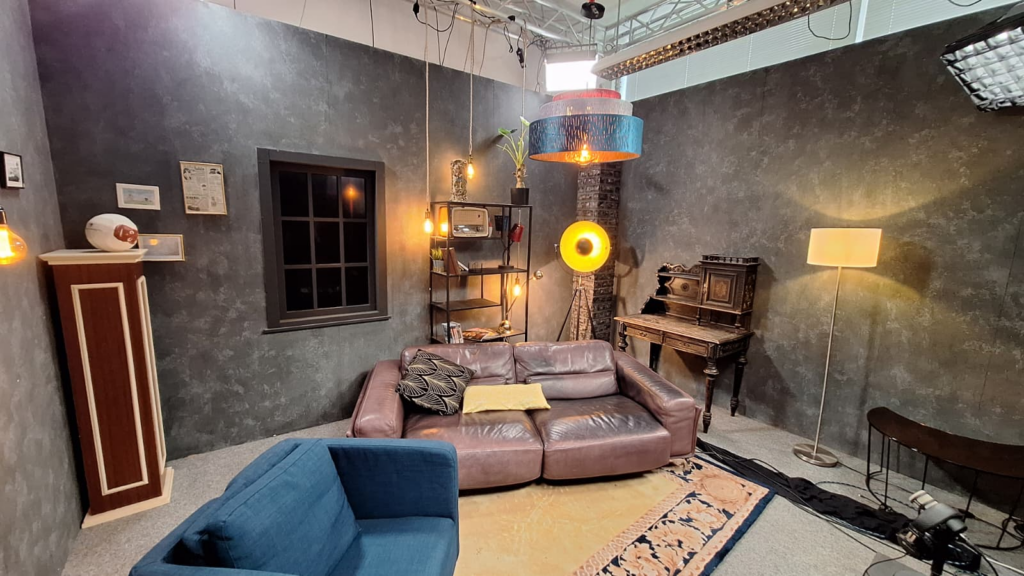
Media School Bayern presented a different perspective by focusing on the education of future media professionals. Students are encouraged to create real content and develop practical skills beyond traditional academic learning. I found this connection between education and professional practice particularly valuable because it helps bridge the gap between theory and the media industry. At the same time, I wondered whether the increasing focus on entertaining and social-media-oriented formats could sometimes overshadow more demanding forms of journalism. Creativity is important, but it must always be combined with journalistic standards and responsibility.
Source: Author’s own photograph
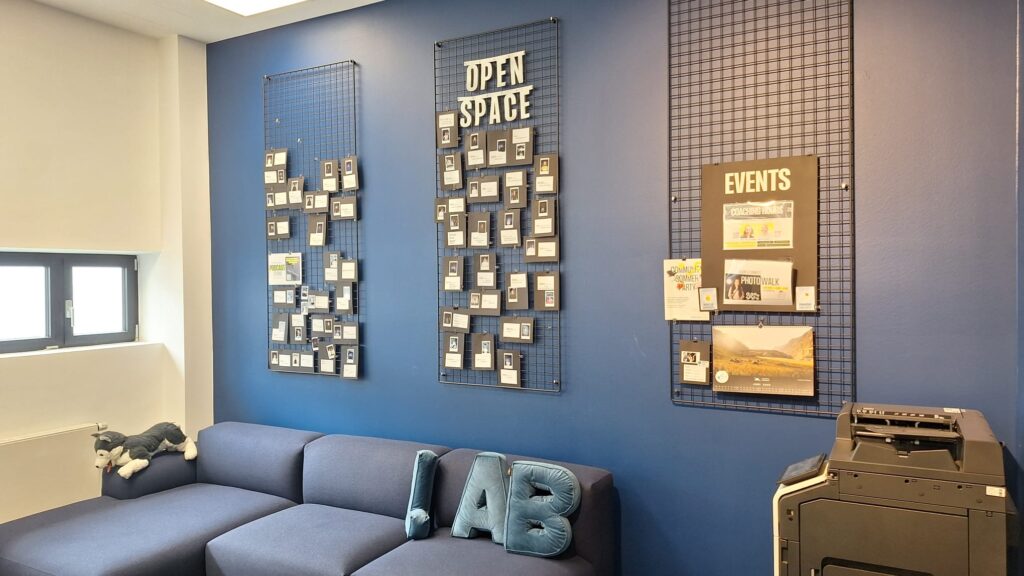
Our visit to Media Lab Bayern complemented these perspectives by focusing on innovation. The workshop showed that innovation has become a permanent necessity for media organizations. However, innovation should not become a goal in itself. New technologies and formats only create real value when they improve journalism and strengthen public communication.
Source: Author’s own photograph
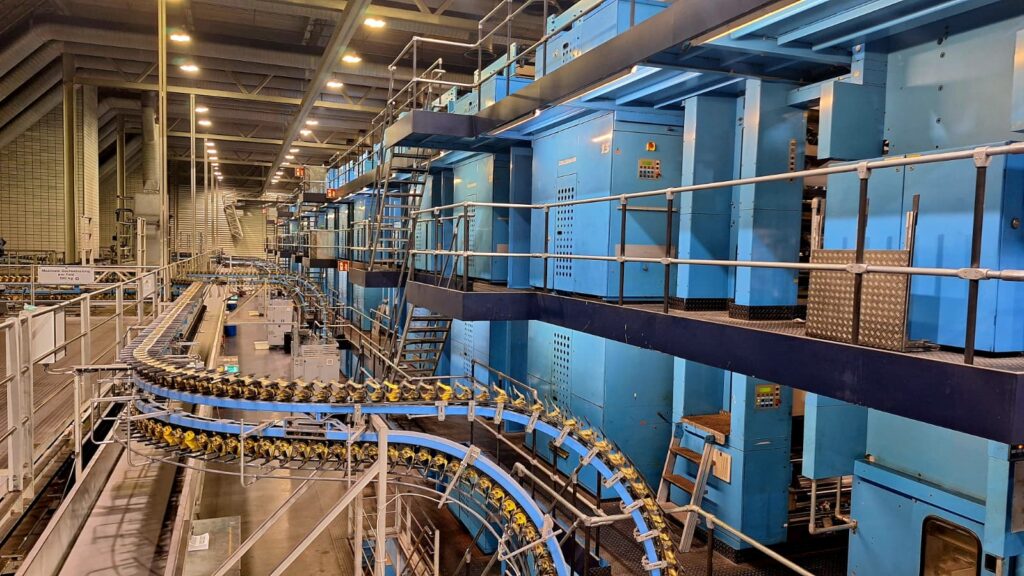
Finally, our visit to Süddeutsche Zeitung demonstrated that traditional media organizations continue to play an important role despite technological changes. Before visiting its printing facilities, I assumed that printed newspapers were slowly disappearing. However, seeing the production process and learning about the newspaper’s editorial independence changed my perspective. Süddeutsche Zeitung has successfully combined traditional journalism with digital platforms while maintaining high editorial standards. Nevertheless, like many established newspapers, it must continue adapting to changing audience habits and economic pressures.
Looking back at these four institutions, I realized that they are not competing models but complementary parts of one media ecosystem. Community radio supports participation and diversity, educational institutions prepare future professionals, innovation labs encourage experimentation, and established newspapers protect professional journalism. Together, they show that a healthy media landscape depends on different organizations fulfilling different democratic functions.
Another important academic insight which I gained here at LMU came from Professor Neil Thurman’s lecture on Media Change (first semester). I mention this, because I find it particularly interesting to reflect on the future outcome of the media landscape by using his 6Rs framework. This framework describes media development through six correlating processes: Revolution, Remediation, Resistance, Rapidity, Regulation, and Reversals. What I found convincing about this framework is that it challenges the idea that every new technology immediately transforms media. Instead, media change is usually slower, more complex, and influenced by many different factors.
The first element, Revolution, can be connected to today’s development of artificial intelligence. AI has the potential to transform journalism through automated production, data analysis, and personalized news. However, revolutionary technologies are rarely adopted instantly. Media organizations need time to experiment, develop ethical standards, and discover where these technologies genuinely create value. AI may be revolutionary, but its long-term role in journalism is still developing.
Remediation is especially visible at Süddeutsche Zeitung. Instead of replacing print completely, the newspaper expanded into digital journalism through websites, applications, newsletters, podcasts, and social media. This shows that new media formats do not always replace older ones; they often adapt and transform them.
Resistance demonstrates that audiences do not change their media habits at the same speed. Many older generations still prefer printed newspapers or traditional radio because these formats are familiar and trusted. This explains why traditional media continue to exist alongside digital platforms.
Thurman also questions the assumption that media change always happens rapidly. Although technological development can appear extremely fast, adoption within professional media organizations often takes more time. Economic factors, organizational structures, professional standards, and audience expectations influence how quickly change happens.
Regulation is another important aspect of media change. It does not only refer to laws but also to financial resources, infrastructure, market conditions, and institutional priorities. For example, community media such as Radio LORA face challenges connected to funding and human resources, while larger organizations deal with different economic and technological pressures.
Finally, Reversals show that media development is not always a straight movement from old to new. Formats that seem outdated can regain importance in different contexts. Printed newspapers, for example, continue to have value for many readers despite years of predictions about their decline. Media history is therefore not simply a process of replacement but one of adaptation and transformation.
Looking at the semester as a whole, I also recognize that the institutions we visited represent only one part of Bavaria’s media landscape. The course provided valuable insights into community media, journalism, education, and innovation, but it could not cover the entire ecosystem. We did not visit major public broadcasters, commercial media companies, or other organizations that also shape German media. Nevertheless, the institutions we explored offered a meaningful overview of the diversity and challenges of today’s media environment.
This course changed my understanding of the future of media. Before coming to Munich, I mainly viewed media development through the perspective of technological progress. Today, I believe that the future of journalism depends just as much on credibility, diversity, public trust, and democratic responsibility. Artificial intelligence will transform journalism, but it cannot replace critical thinking, editorial judgement, and human responsibility.
Overall, this course showed me that Bavaria’s media landscape is diverse and capable of responding to future challenges because different institutions contribute in different ways. Some organizations will face economic and technological difficulties, while others will continue experimenting with new formats. However, successful media organizations are not those that simply adopt every new technology, but those that innovate while protecting the principles that make journalism valuable.
The main lesson I will take home from Munich is that the future of media is not a competition between old and new. As Neil Thurman’s 6Rs framework demonstrates, media change is gradual, multidimensional, and sometimes even cyclical. Innovation, tradition, regulation, and public trust exist together rather than replacing one another. The institutions we visited reflected this complexity and provided an encouraging picture of a media landscape that continues to evolve while maintaining its democratic purpose.
These were my reflections about my main academic learnings and my thoughts about the future outlook of the media landscape in Germany. I hope I could provide some valuable information and new perspectives. See you soon in another post. Bis dann!
Leave a Reply