Visiting Radio LORA Munich: A Different Side of Broadcasting
Germany . Media . Radio Free Europe . Uncategorized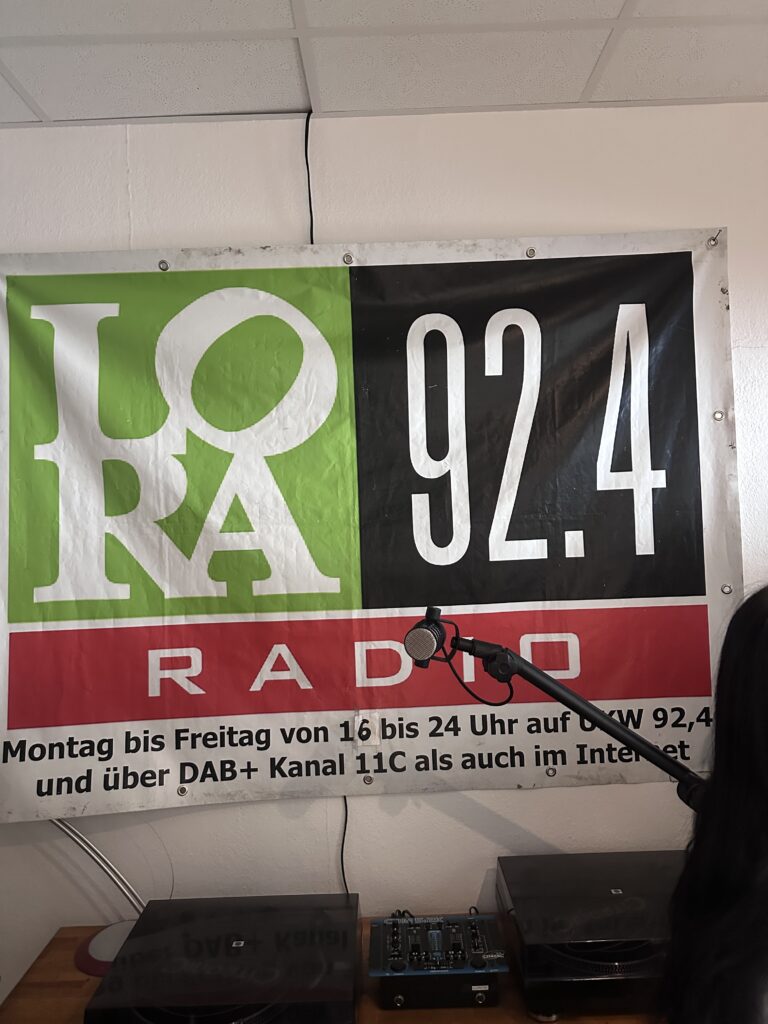
As part of our media institute in Munich class, I have got an opportunity to visit Radio LORA München, a non-commercial and independent community radio station located in the heart of Munich. Unlike mainstream public or private broadcasters, LORA is run mainly by volunteers and focuses on social, cultural, ecological, and political issues.
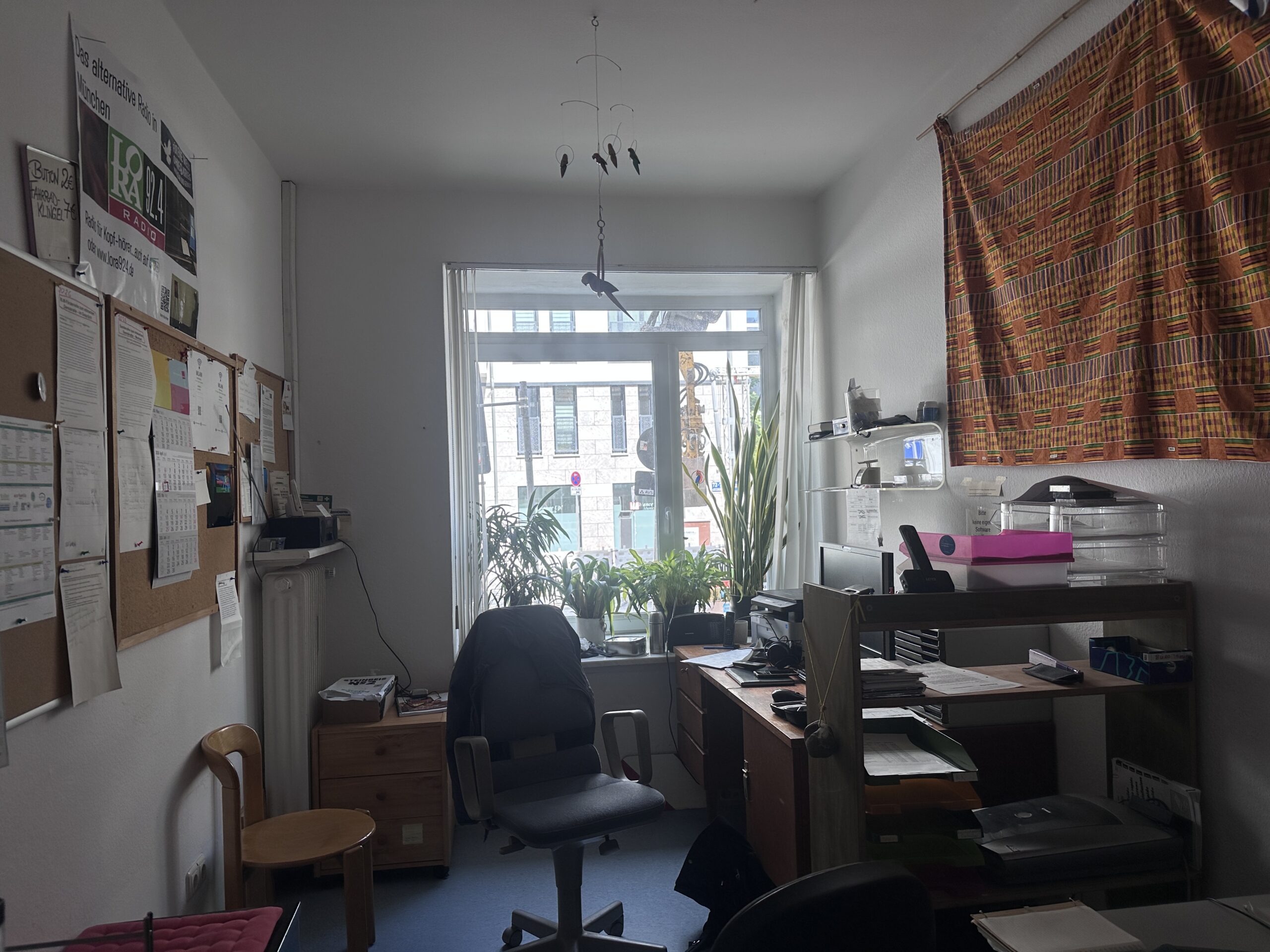
The second after I entered their building, I felt like it is the office that has homey and cozy vibes as it is not that big and not that much staff but they still have lovely decoration. During our visit, Karin Bergs introduced us to the history and operation of the station. One of the interesting things I found was that all LORA staff are working for free as it is a non-profit organization which shows all their passion in their work.
The name LORA was inspired by a radio station in Zurich, Switzerland and it is a short form for Local Radio. LORA was founded in 1986 by members of various social and cultural initiatives who wanted to create an alternative voice in the media landscape. Despite facing financial difficulties, limited broadcasting time, and strict regulations, the station has continued broadcasting for more than 30 years.
I was surprised to learn how different the media environment in Bavaria is compared to other parts of Germany. Community radio stations receive very little support, and LORA relies heavily on volunteers and membership contributions to survive. Even during the COVID-19 pandemic, the station was considered “system-relevant” and had to continue broadcasting despite having very limited resources.
Another aspect that impressed me was LORA’s commitment to giving minorities and local communities a voice. The station welcomes people from different backgrounds to create their own programs. Contributors are involved in every stage of production, from developing ideas and conducting interviews to editing audio and hosting shows. This approach makes broadcasting much more accessible to ordinary citizens.
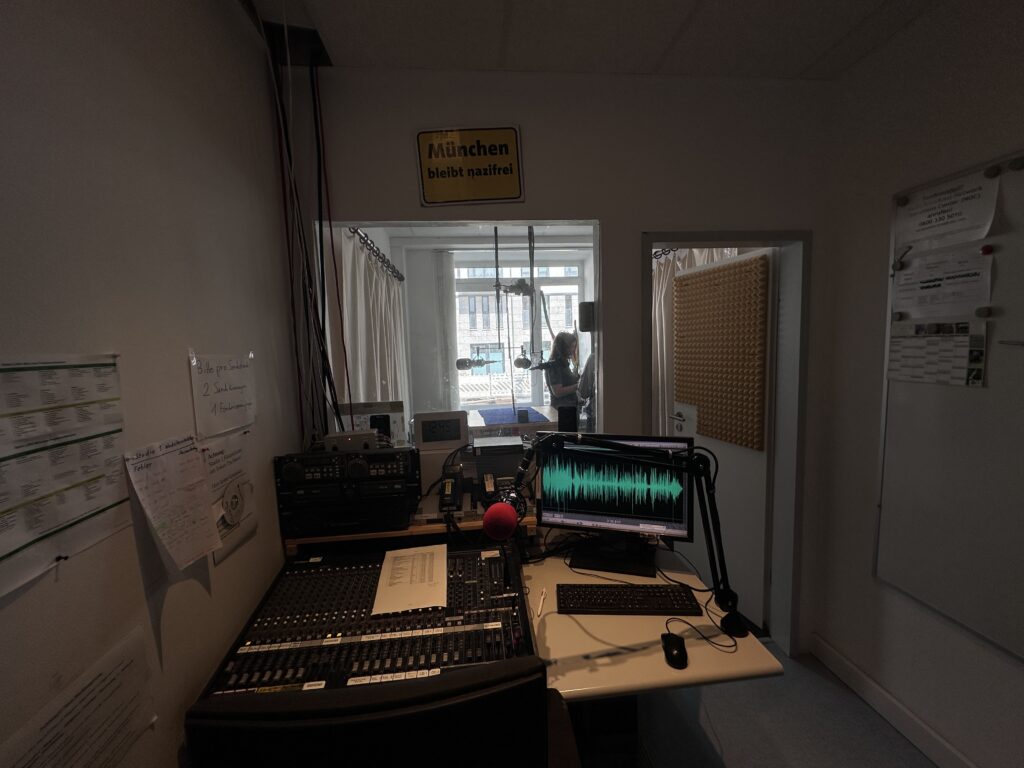
We also learned about the station’s programming structure. Each weekday focuses on a different theme, such as international issues, social topics, culture, nature, and health. The station broadcasts a mix of political discussions, interviews, cultural content, and music programs. Some of the examples Karin shared were particularly memorable, including a live cooking show where guests prepared food in the studio and a program hosted by people who stutter to help reduce social stigma around speech disorders.
What stood out most to me was the passion of the volunteers. Although they receive little financial support, they continue to dedicate their time because they believe in the importance of independent media and community participation. The visit showed me that the media can serve purposes beyond entertainment and profit. It can create space for dialogue, represent minority voices, and encourage civic engagement.
Overall, visiting Radio LORA was an insightful experience. It provided a deeper understanding of community broadcasting and the challenges independent media organizations face. More importantly, it demonstrated how the media can empower communities and contribute to a more diverse public sphere.
Leave a Reply