The Passion That Keeps Journalism Alive
UncategorizedWhen I enrolled in this course, I expected to learn about the German media system through lectures and readings. Instead, I discovered something I had not anticipated. Across every fieldtrip, discussion, and assignment, one common theme stood out: the people behind journalism. What stayed with me most was not a specific technology, business model, or media organization, but the passion of those working in and around the industry. Their enthusiasm made me realize that journalism is ultimately driven by people who genuinely believe in informing others and contributing to society.
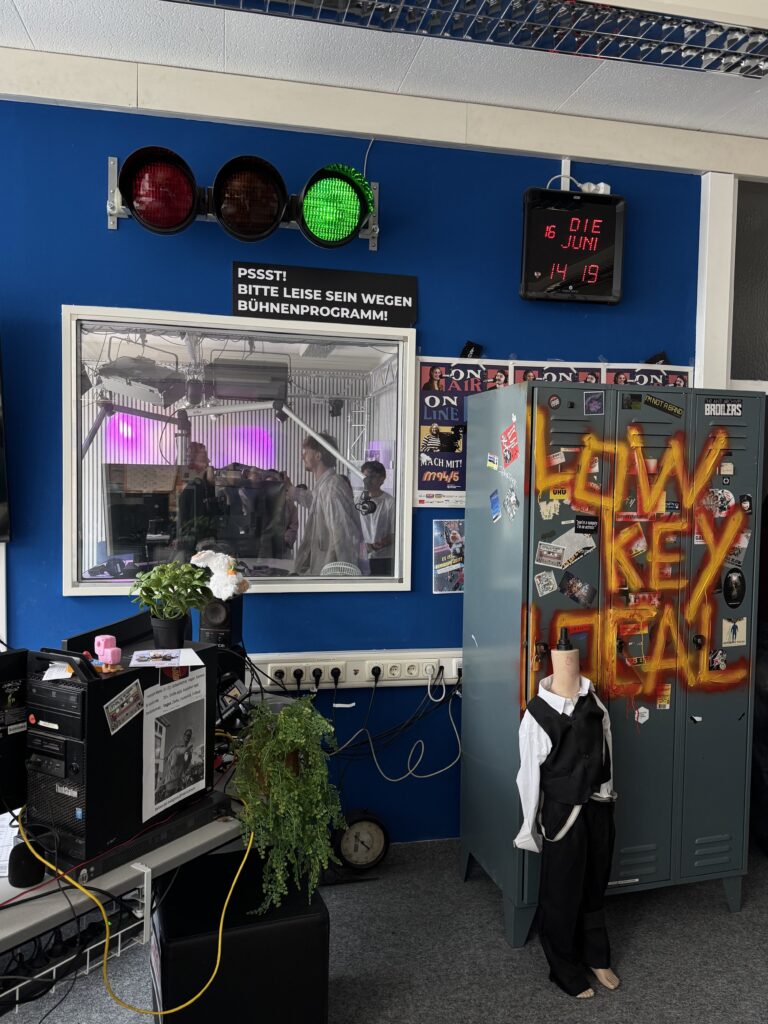
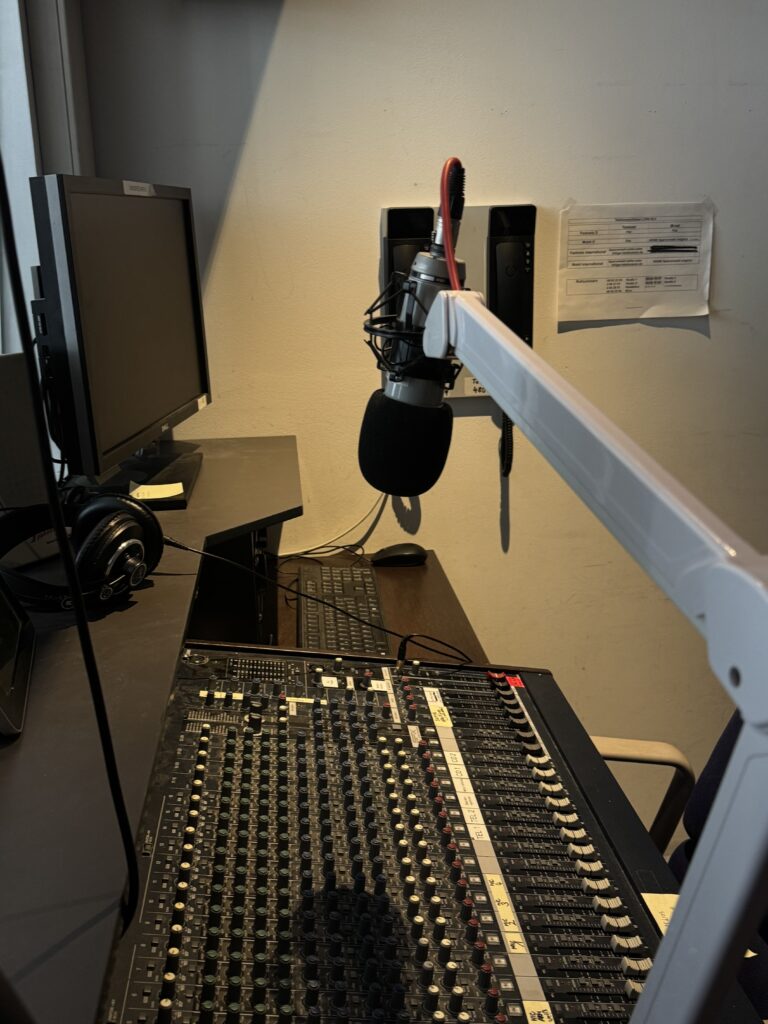
This became especially clear during our visit to Radio LORA München. The station operates almost entirely through volunteers, many of whom dedicate their free time to producing programmes that give a voice to communities often overlooked by mainstream media. Their motivation is not financial success or high audience numbers. Instead, they believe that everyone deserves the opportunity to be heard. Despite operating with limited financial resources and relying almost entirely on volunteer work, they continue broadcasting every day. Seeing that level of commitment reminded me that journalism can also be a form of public service and community engagement. It was inspiring to see people invest so much time and energy simply because they believe their work matters.
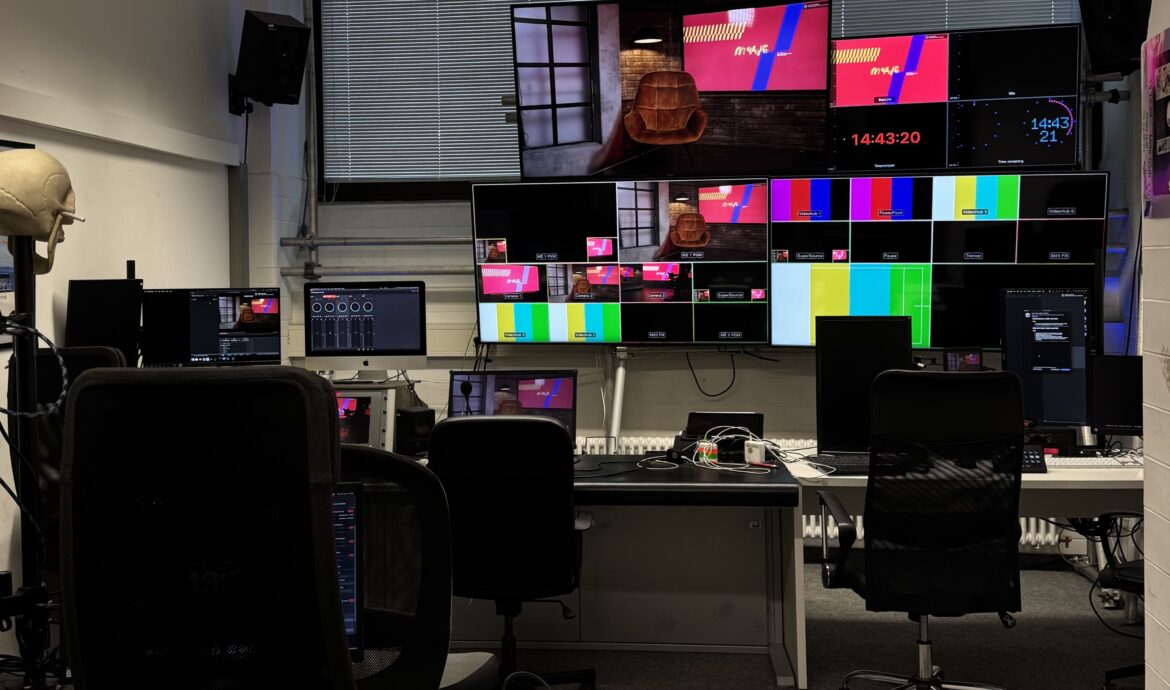
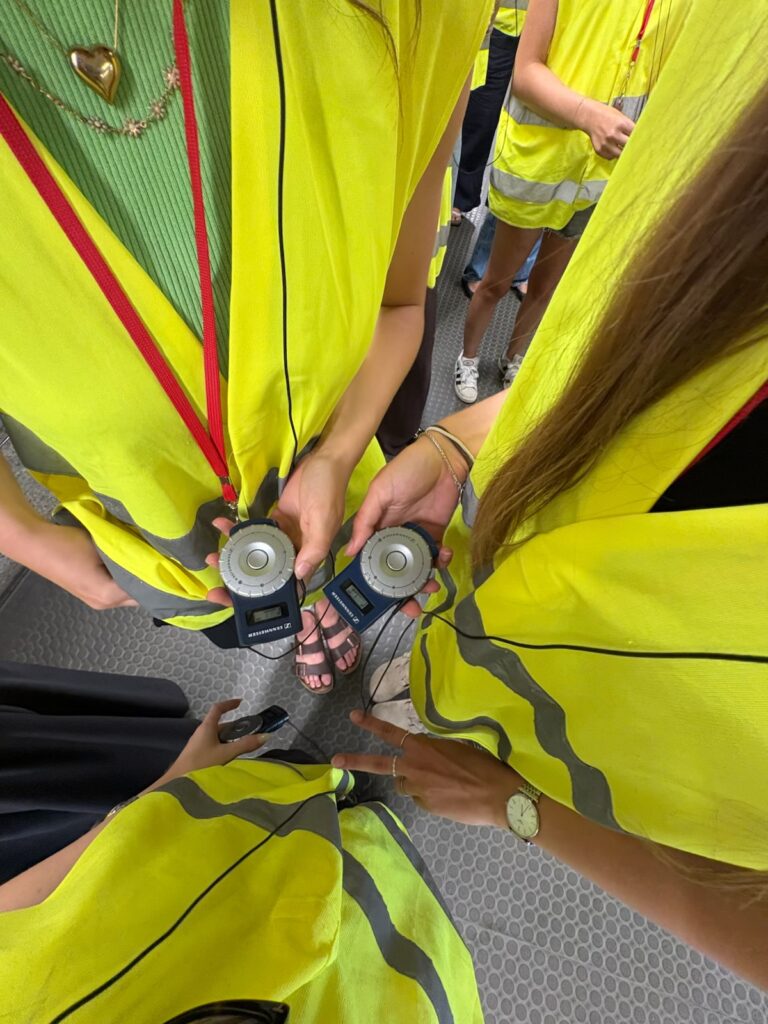
A different, but equally inspiring, perspective came from Mediaschool Bayern. Here, I saw the enthusiasm of people preparing the next generation of journalists. Rather than simply teaching theory, they encourage students to experiment, make mistakes, and develop their own ideas across radio, television, podcasts, social media, and livestreaming. Creative Producer Julius Peter described the school as a “big playground,” and that phrase perfectly captured the atmosphere. Students are trusted with professional equipment and real productions, allowing them to gain practical experience from the very beginning. The visit showed me that journalism education today is no longer limited to writing articles or conducting interviews. It requires creativity, technical skills, adaptability, and the confidence to tell stories across multiple platforms.
Another memorable experience was visiting Süddeutscher Verlag Zeitungsdruck. While the focus there was on newspaper production, I was equally impressed by the people working behind the scenes. Walking through the highly automated printing facilities made me realize how much coordination, technology, and expertise are required before a newspaper reaches its readers. In a time when digital media often dominates discussions about journalism, it was fascinating to see that print remains an important part of the media landscape. The visit reminded me that journalism does not end when an article is written. Editors, technicians, printers, and logistics teams all contribute to ensuring that reliable information reaches the public.
Our online session with a doctoral researcher offered yet another perspective. Her research explored why many journalists eventually leave the profession, highlighting issues such as financial insecurity, increasing workloads, emotional pressure, and changing working conditions. Her presentation contrasted with the enthusiasm we encountered during our fieldtrips. It showed that passion is essential, but it is not always enough to sustain a long-term career. Journalism also depends on fair working conditions, career stability, and institutional support. I found this discussion particularly valuable because it reminded me that behind every news story are people who also face professional and personal challenges.
Preparing our group presentation on the press, particularly my section on the newspaper landscape in Munich, further broadened my understanding of German media. Researching local newspapers helped me appreciate the diversity of regional journalism and the important role it plays in informing communities and supporting democratic debate. Before this course, I had mostly associated German journalism with large national media organizations. Through both the presentation and the fieldtrips, I discovered how many different institutions contribute to the country’s media ecosystem.
Throughout the semester, I became increasingly aware that journalism cannot be understood by looking only at news organizations. It depends on a network of very different actors. Community radio stations create space for minority voices, journalism schools prepare future professionals, newspaper publishers ensure reliable information reaches readers, and researchers critically examine the challenges facing the profession. Each organization contributes to democracy in its own way, yet all share the common goal of informing the public and encouraging informed public discussion.
Looking ahead, I believe journalism will continue to evolve rapidly. Artificial intelligence, automation, and social media platforms are already transforming how stories are researched, produced, and distributed. Audiences increasingly expect fast, interactive, and multimedia content, requiring journalists to master a growing range of digital skills. These developments create exciting opportunities for innovation, but they also make journalistic ethics, transparency, and credibility more important than ever. While technologies will continue to change, I believe the fundamental purpose of journalism will remain the same: providing reliable information that enables people to make informed decisions and actively participate in democratic society.
Looking back, my greatest takeaway from this course is that journalism is ultimately about people. Technology will continue to evolve, audiences will migrate to new platforms, and artificial intelligence will become an increasingly important part of media production. However, none of these developments can replace curiosity, critical thinking, ethical responsibility, and the genuine passion that drives people to inform others.
This course showed me that successful journalism is not created by technology alone. It is created by people who care deeply about informing society, encouraging public discussion, and giving others a voice. Whether I met volunteers at Radio LORA, educators at Mediaschool Bayern, professionals at Süddeutscher Verlag, or researchers studying journalism, I encountered individuals who were genuinely passionate about their work. That passion was contagious. It not only enriched my understanding of the German media landscape but also reminded me why journalism continues to matter in an increasingly complex and rapidly changing world. It is this passion, more than anything else, that I will remember from this course.
Leave a Reply