The Liminal Threshold: Negotiating Comfort and Control at the Global Hub
City life . Opinion piece . Society . Travel
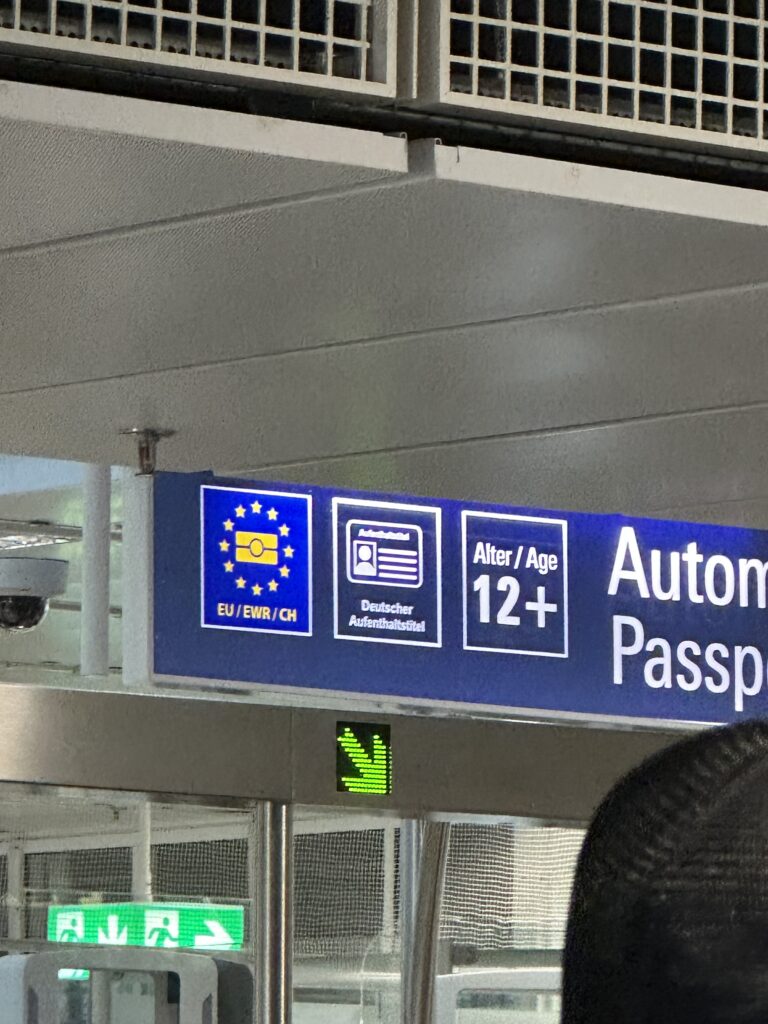
Whenever we transition to a new phase or domain, we inevitably encounter a boundary. This boundary, where two distinct realities meet, inherently implies negotiation and competition. A night spent at Istanbul Airport revealed a continuous, silent negotiation unfolding within the stillness. Ultimately, this threshold—where individual desire clashes with systemic control—defines the core dilemma of our modern 24-hour cities.
Liminality Unveiled
After a two-day trip to Istanbul, the hour-long drive back to the airport revealed a terminal as brightly lit as the city center itself. A large, illuminated building awaiting planes that would eventually arrive, and numerous taxis waiting for passengers exhausted from their journey. I, too, entered that static light, burdened by the souvenirs that weighed down my shoulder. The light promised rest, but quickly transformed into an arena of silence and competition. After a subtle battle of glances, I secured a seat and realized the space was defined by a hidden tension: a constant negotiation between passengers’ relentless pursuit of comfort and the system’s strict demand for control. This night, I observed where the ideal threshold of this inevitable contest should lie.
Round 1. Comfort vs. Physical Control
The challenge began with the limits of comfort. Since there were only chairs, travelers sought maximum rest within the given constraints. They turned café cushions into makeshift pillows and stretched out across chairs—creative attempts to claim private ease in a public space. This effort was sharply juxtaposed with the sleeping travelers whose bodies were curved protectively around their belongings, representing maximum vulnerability. The system, however, intervened only when absolutely necessary: staff made rounds, waking up sleepers and reasserting the rule that public space must remain public. The moment the staff in black uniforms began their rounds, travelers can feel a sudden sense that morning had arrived.
Round 2. Desire vs. Economic Control
The negotiation continued in the economy of the terminal. The high price tags in the airport shops were enough to shock travelers who had experienced the city. While discount was common in the city, here, the number on the price tag does not change easily. Even if some travelers ask “no discount?” in poor English, the answer is “I’m just a staff. I have no authority.”. Similarly, travelers continuously circled the limited dining options, prioritizing the speed of service, trying to maximize their selection within the constraint of available time and choice. In the city, these kind of negotiations end at sunset. But at airport, where the lights do not go out, it continues as long as the market is opened.
Round 3. Boundaries of Behavior

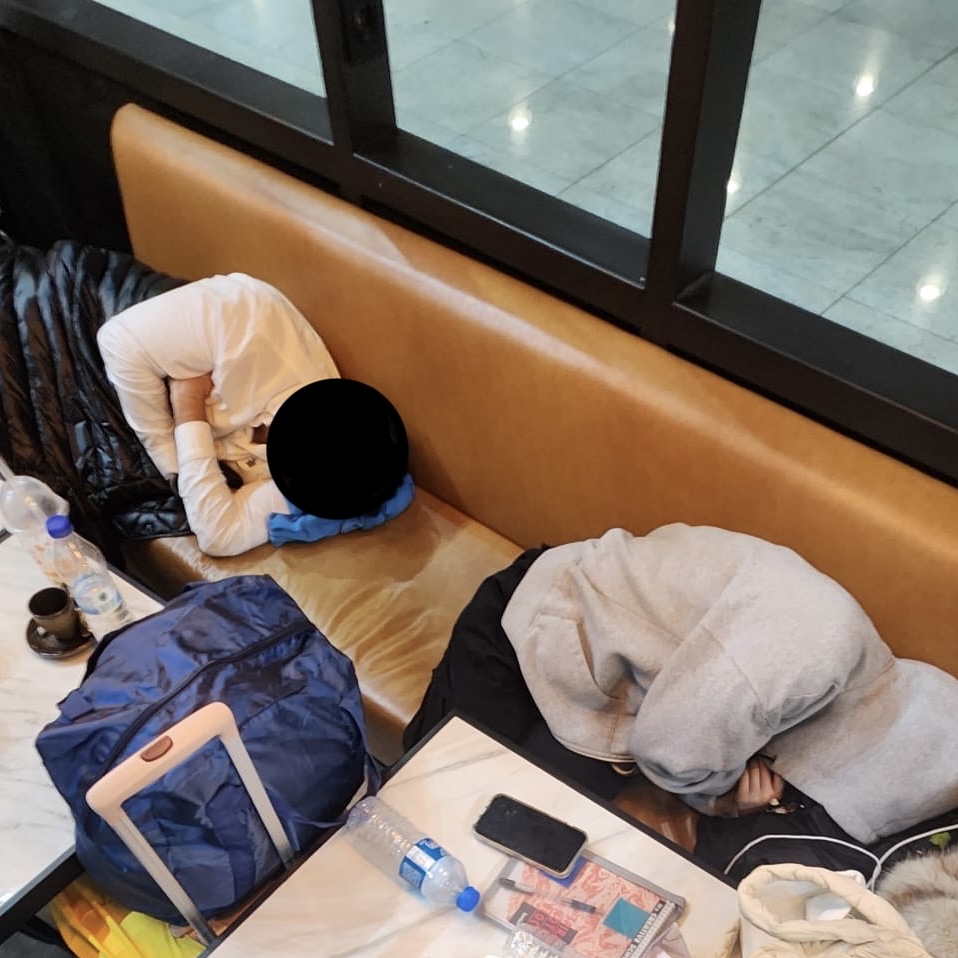
The most visible clash occurred when a man wedged himself into the empty sofa, gathering cushions and shattering the silence with his snoring. He perfectly embodies the image of a traveler adapting to the border, converting a public area into a private bedroom. His actions, driven by the need for maximum ease, forced those around him into silent tolerance. Some chose to relocate to escape the noise, while others, observing his success, began to imitate his behavior. Frowning at the noise that shattered the airport’s quiet, they chose to remain silent to avoid becoming the next source of disruption. The staff, often an annoyance to sleepers, occasionally became a hero by removing such discomfort-like a rooster announcing dawn, their intervention reasserted order.
The Unavoidable Contest
The night in Istanbul airport allowed me to experience the unavoidable contest between maximum human desire and maximum system control. I realized that this fierce negotiation is the true rhythm of the modern travel hub. Ultimately, the question remains: When does pushing the boundary of personal ease cross the line and undermine the public order, and what is the humane, ideal limit that the system should maintain? Establishing this clear, negotiated threshold is the defining challenge for our 24-hour global cities.
Leave a Reply